According to China Daily, China and Russia launched their second joint computer-assisted missile defense exercise this week, aimed at improving the two sides' coordination in responding to potential missile threats. The exercise coincides with ongoing tensions on the Korean Peninsula and has drawn widespread international attention.
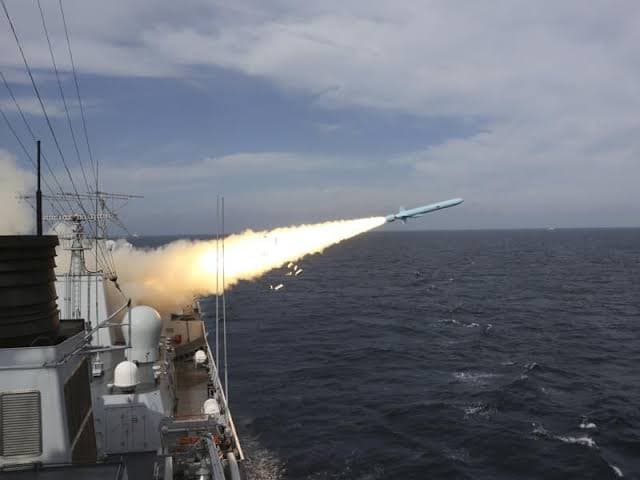
According to reports, the exercise is a computer simulation in nature, with both sides using a joint command system to simulate responses to incoming ballistic and cruise missiles, testing the level of coordination between the two militaries in early warning detection, information sharing and joint decision-making. Compared with live-fire exercises, computer-assisted exercises are lower in cost, but can equally test the compatibility and response speed of the two countries' military command systems.
This is not the first time China and Russia have held this type of exercise. The two sides previously conducted a similar round of computer-simulated missile defense drills, making this the second, indicating that cooperation between the two countries in the field of missile defense is gradually becoming routine and institutionalized. Analysts note that continued joint exercises will help both sides accumulate experience, laying the groundwork for potentially higher-level military cooperation in the future.
Several security experts interviewed said the exercise carries more symbolic significance than practical military significance. Against the backdrop of the long-unresolved nuclear and missile issue on the Korean Peninsula and a complex and volatile regional security situation, China and Russia's choice to demonstrate missile defense cooperation capabilities at this time has been interpreted by outside observers as a deterrent gesture toward potential regional missile threats.
The situation on the Korean Peninsula has continued to affect the regional security landscape in recent years. North Korea has conducted multiple missile tests and nuclear tests, raising alarm among neighboring countries, and the United States and its allies have correspondingly strengthened their missile defense deployments in the region. Both China and Russia have kept close watch on the situation on the peninsula, repeatedly calling through diplomatic channels for disputes to be resolved through dialogue and consultation, and opposing the use or threat of force.
Notably, the U.S. deployment of the THAAD missile defense system in South Korea has consistently been a focal point of concern for China and Russia. Both countries believe that the system's radar detection capability far exceeds what is needed to counter the missile threat from North Korea, and in effect undermines the strategic security interests of China and Russia. Analysts believe that this joint China-Russia missile defense exercise is, to some extent, also a response to U.S. missile defense deployments in the region.