Times of China
Technology

Nvidia CEO Jensen Huang's Spy Saga Adds Roadblock to Rapid AI Advance

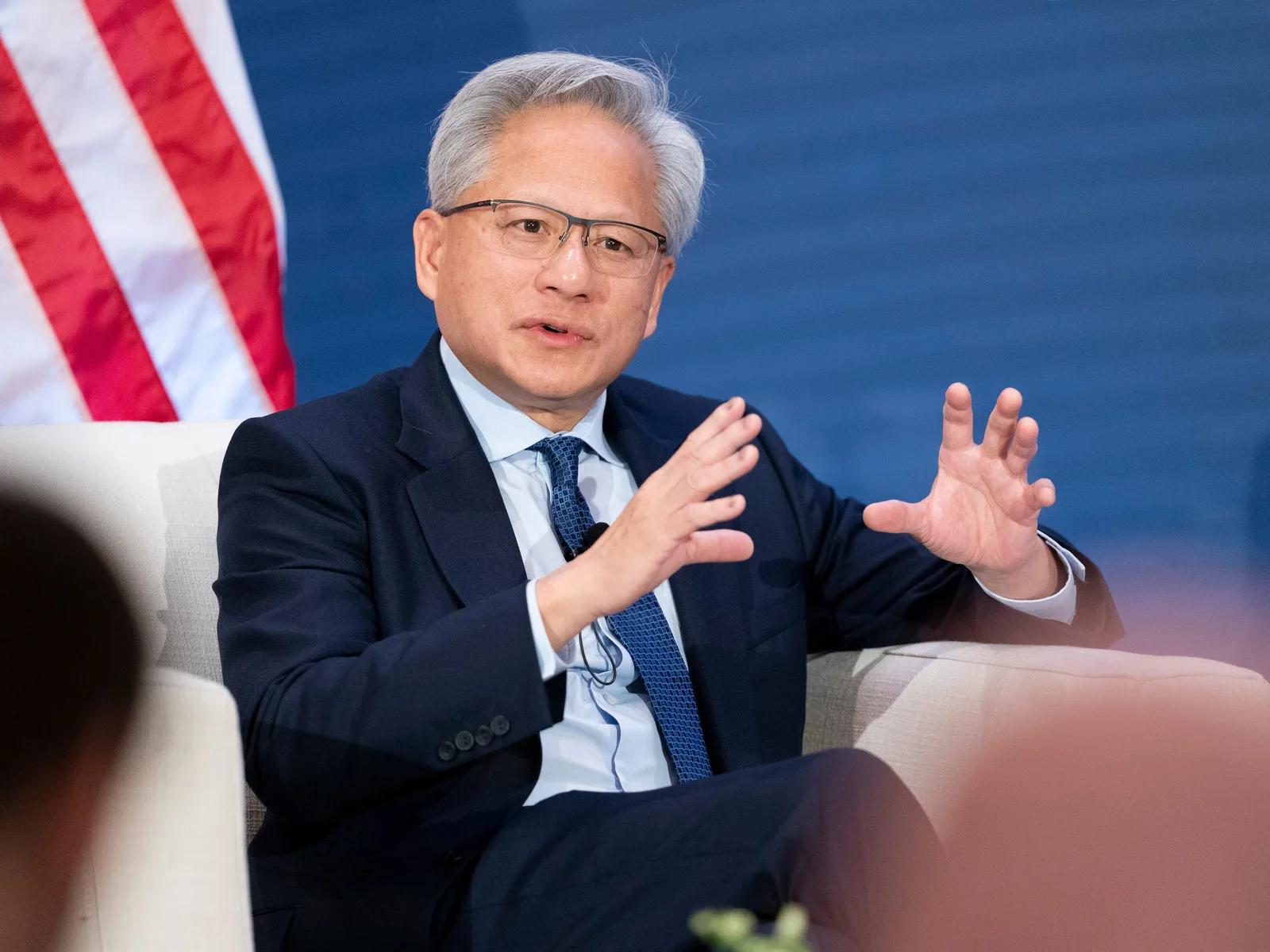
Nvidia Chief Executive Officer Jensen Huang admitted to an affair with a woman suspected of being a Chinese spy, prompting an independent board investigation that could have far-reaching effects on the company's leadership in AI chips and on US-China relations.

By EditorialPublished Updated 1 min read
Share
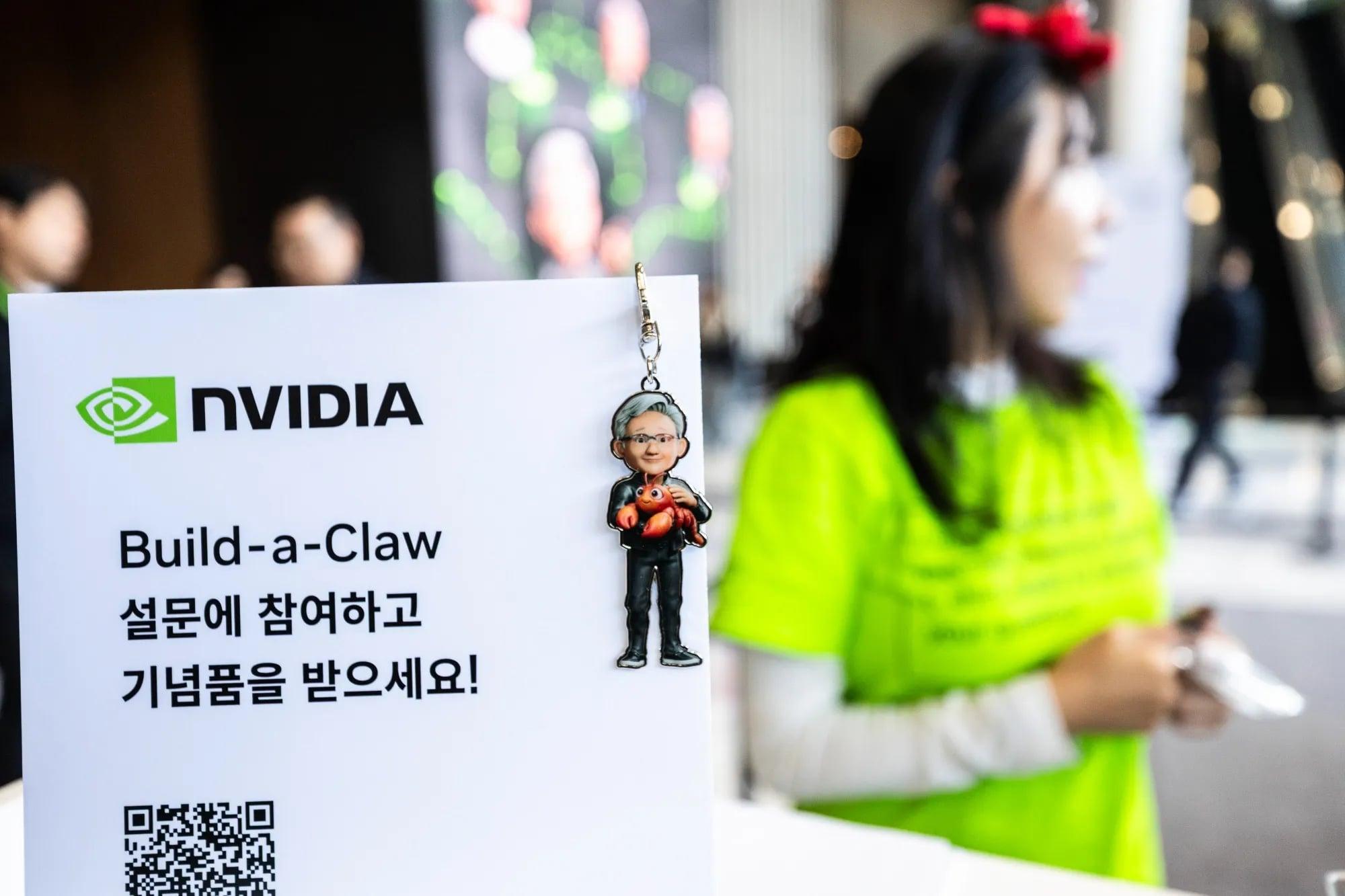
A keyring of a cartoon image of Chief Executive Officer Jensen Huang at Nvidia's AI Day event in Seoul, South Korea, on Nov. 9.
A keyring of a cartoon image of Chief Executive Officer Jensen Huang at Nvidia's AI Day event in Seoul, South Korea, on Nov. 9. · Jean Chung/Bloomberg

The global AI chip giant Nvidia is facing its most serious credibility crisis in more than three decades. Chief Executive Officer Jensen Huang recently admitted to an extramarital relationship with a woman who was later identified in media reports as a suspected Chinese spy. The news quickly rattled markets and drew wide political attention.

The woman is Huang Le, also known as Alice Huang. According to reports, she is a former television journalist who founded a company called Megaspeed International. The firm is one of the largest purchasers of Nvidia chips in Southeast Asia, a region that has become an important transit route for some advanced semiconductors bound for China.

Board launches independent investigation

After Huang sent an internal memo to employees acknowledging the relationship, Nvidia shares fell about 5% in premarket trading, wiping out roughly $225 billion in market value. The company's board said it would form a special committee of independent directors and hire outside legal counsel to investigate the matter.

Nvidia sits at the center of the artificial intelligence industry. Its graphics processors are widely used to train large language models and generative AI systems. Huang himself has been one of the most prominent advocates for the global buildout of AI infrastructure and has long called on Washington to ease restrictions on exports of advanced chips to China.

National security concerns

The core of the controversy is that the chip trading company run by the woman in question has ties to China that have raised national security alarms. US intelligence officials suspect she may have been recruited by Beijing to target Huang and Nvidia. Because Nvidia's chips hold strategic value for military, scientific research, and commercial AI uses, any possible leak of technology is closely watched in Washington.

Nvidia was already under scrutiny over reports that some of its high-end chips had reached China through third countries. US export controls require companies to ensure that advanced semiconductors do not end up with restricted Chinese entities, and complex global supply chains make that task difficult.
Trump publicly backs Huang

On the political front, US President Donald Trump told reporters over the weekend that Huang is a "fine person" and should remain in his role. Trump said he had not spoken to Huang about the matter but emphasized his personal support for the Nvidia leader.

The remarks eased some market fears of an immediate departure, but they did not eliminate questions about corporate governance and national security risks. Investors are still watching to see whether the board investigation will reveal further details and whether the US government might impose additional regulatory measures on Nvidia.

Potential impact on the AI industry

Huang has long been one of the most influential figures in global technology. His public image is tightly linked to Nvidia's leadership in the AI boom. If the scandal forces him out or badly damages the company's reputation, it could have ripple effects across the pace of AI development.

Today, major technology companies around the world rely on Nvidia chips to train and run artificial intelligence models. Any uncertainty affecting the company's ability to supply chips or set strategic direction would ripple through fields ranging from data center construction to autonomous driving and medical AI.

For Nvidia, the priority now is to complete the investigation quickly, clarify the facts, and demonstrate to markets and regulators that its internal controls and compliance systems are reliable. At the same time, protecting sensitive technology in an increasingly tense US-China tech rivalry will remain one of the company's central challenges.

Tags

  • 英伟达
  • 黄仁勋
  • 人工智能
  • 芯片
  • 中美关系
  • 国家安全

Read More