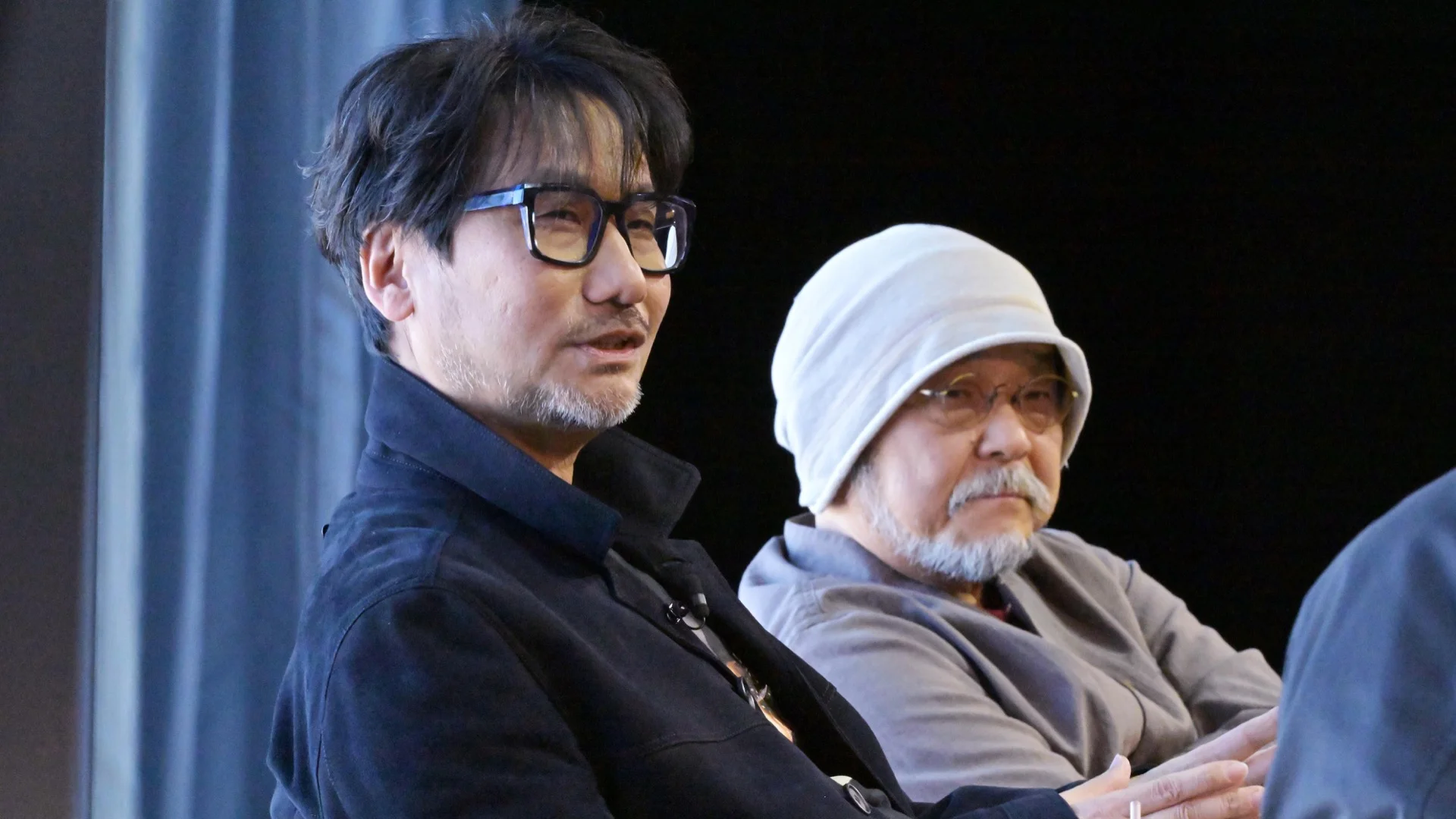
Tokyo — At a Nikkei event marking the media group's 150th anniversary, Japanese game creator Hideo Kojima and film director Mamoru Oshii shared a stage to discuss the impact of artificial intelligence on creative work. Kojima warned that while AI may be good for business, it risks sapping the joy of creation and making audiences more passive consumers of entertainment.
Tension between creation and consumption
Speaking as a game developer, Kojima noted that AI tools can speed up production, cut costs and even help generate large volumes of content. But he worries that when technology is inserted too deeply into the creative process, works can lose the distinctive texture that comes from human uncertainty and exploration. For creators, he suggested, the most valuable part is often the problem-solving, trial and error, and accidental discovery — not merely producing a finished product.
Oshii responded from the perspective of a filmmaker. He argued that cinema, by nature, is an art form shaped by the tension between questions and answers. Even if AI can assist with technical tasks, what truly drives a film are the questions a person asks, the directions they choose and the worldview they want to express.
Commercial efficiency and artistic experience
Both creators acknowledged that AI's use in the entertainment industry is already irreversible. From script assistance and character design to animation generation, technology is reshaping how works are made. Yet Kojima stressed that if the industry pursues efficiency alone, audiences may grow accustomed to algorithm-optimized content and lose patience for complex narratives, ambiguous emotions and non-standard experiences.
Oshii added that film viewers have long been asked to think actively, while AI-driven content distribution may tend to reinforce instant gratification. If that trend spreads, it could alter not only the creative ecosystem but also the relationship between people and stories, images and cultural products.
Technology as a tool, not a replacement
The conversation ended without rejecting AI's value, but with a warning to the industry to stay clear-eyed. Kojima said the real question is not whether to use technology, but whether human beings still decide what is central to a work. Oshii added that the point of technology is to expand the possibilities of expression, not to reduce creativity to predictable data outputs.
The exchange comes as the global entertainment industry accelerates its embrace of generative artificial intelligence. The remarks from two veteran Japanese creators offer a frontline perspective on the debate over efficiency, creativity and human agency.