
A joint naval exercise conducted last week by China and Indonesia east of Taiwan has stirred debate among regional analysts about whether other Southeast Asian nations might be willing to pursue similar military cooperation with Beijing, according to SCMP China.
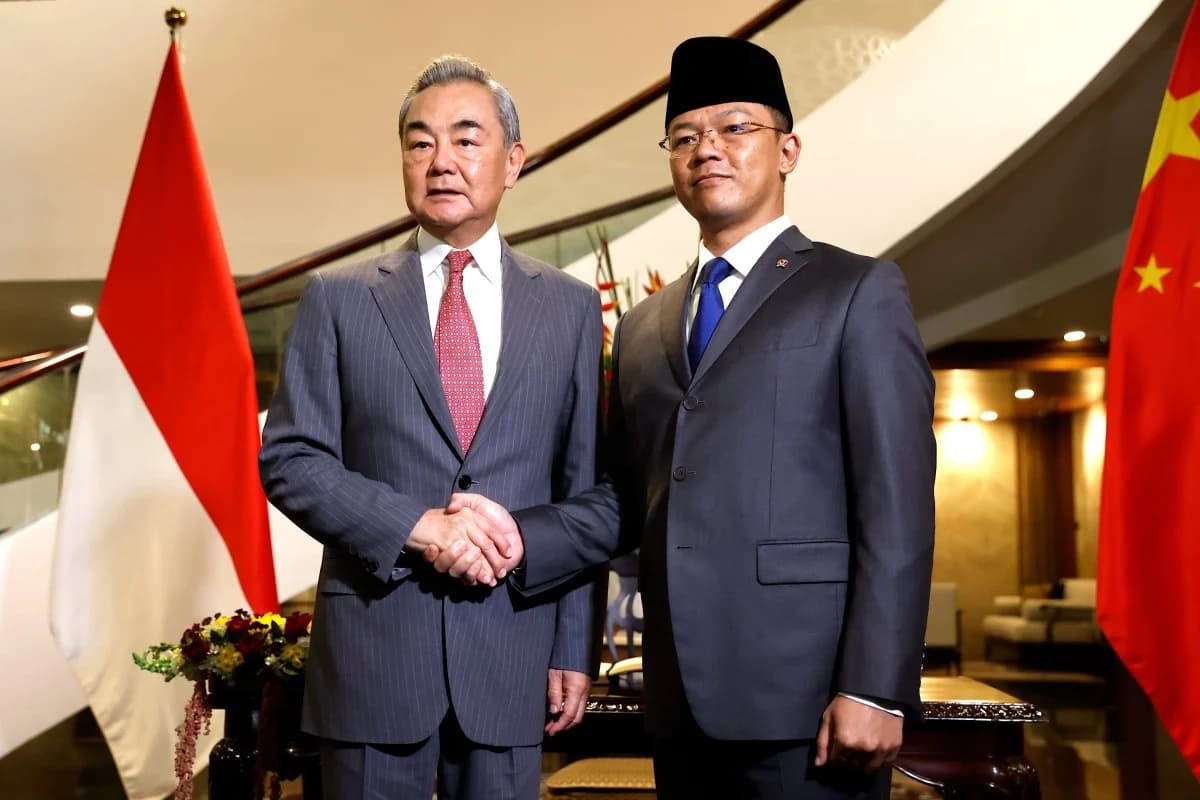
The drill, held last Wednesday, marked a notable step in defense ties between the two countries and came just two days before Indonesian and Chinese foreign and defense ministers convened for high-level talks. According to SCMP China, that Friday meeting covered an expansive agenda, ranging from further military cooperation to food security, underscoring how the relationship between Jakarta and Beijing has broadened well beyond commercial and infrastructure investment in recent years.
Observers cited by SCMP China suggested the exercise could have ripple effects across the region, with one analyst noting it may "lower the political threshold" for other Southeast Asian countries considering their own joint military activities with China. That framing points to a broader dynamic long at play in the region, where governments have generally sought to balance economic dependence on China against wariness over Beijing's assertiveness in the South China Sea and its growing military footprint.
Indonesia has traditionally positioned itself as a non-aligned power within Southeast Asia, wary of being drawn too closely into either Washington's or Beijing's orbit. Jakarta has also had its own friction points with China, particularly over overlapping maritime claims near the Natuna Islands. That history makes the decision to hold a joint naval drill with the People's Liberation Army notable, and it may explain why regional watchers are parsing the move for signs of a broader strategic shift.
Chinese Foreign Minister Wang Yi's remarks following the ministerial meeting, referenced in the SCMP China report, framed Indonesia's cooperation with Beijing in favorable terms, a characterization likely intended to encourage other capitals in the region to view similar engagement as low-risk and mutually beneficial. Such messaging fits a pattern in Chinese diplomacy, where high-profile cooperation with one regional partner is often used to normalize deeper engagement with others watching from the sidelines.
The location of the exercise, east of Taiwan, adds a layer of geopolitical sensitivity. Military activity in waters near Taiwan inevitably draws scrutiny given the island's status as a flashpoint in China-U.S. relations and the broader question of Beijing's long-term ambitions toward reunification. A joint drill in that vicinity, even one framed as routine naval cooperation, is likely to be read by Washington and other regional capitals as a signal of China's expanding ability to conduct coordinated operations with partner militaries near contested waters.