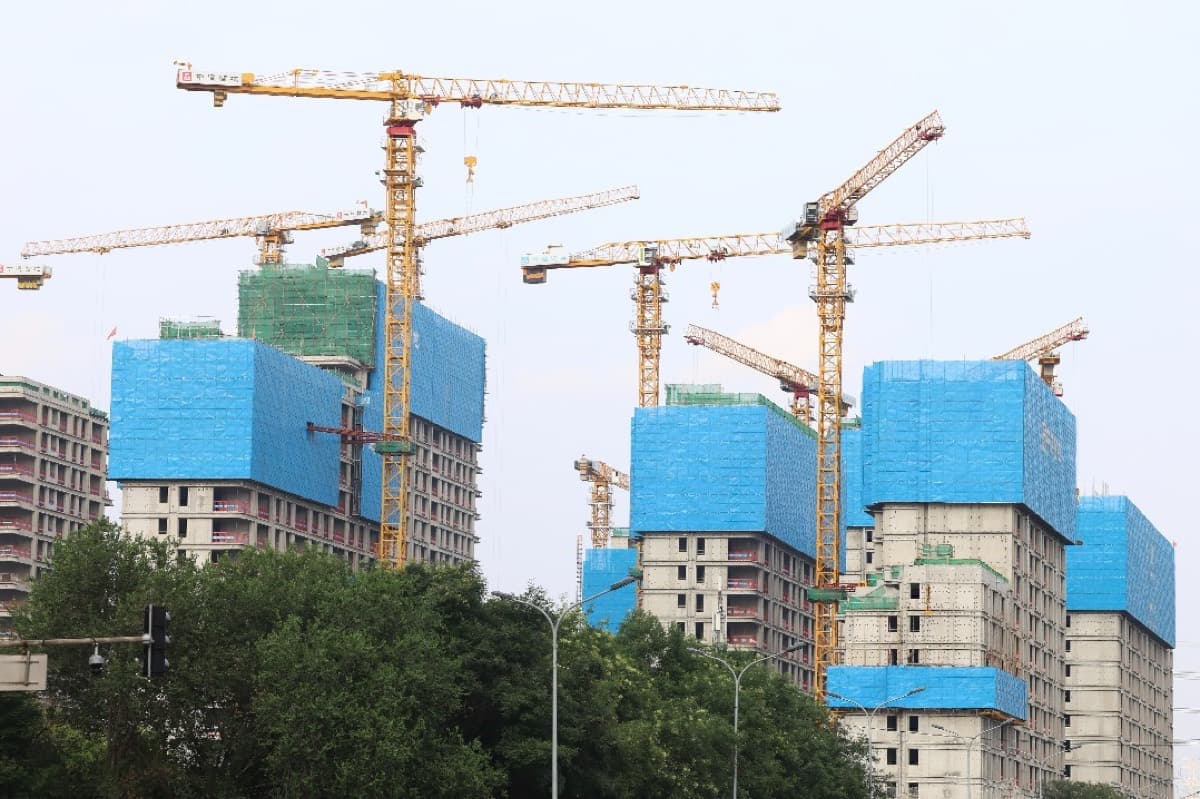
With Beijing relaxing its homebuying restrictions, all four of China's first-tier cities have now eased their property policies. Shanghai, Shenzhen and Guangzhou had already made adjustments, leaving Beijing as the last first-tier city to act. This round of changes broadly focuses on lowering barriers to buying and stabilizing the housing market.
Beijing moves
Under Beijing's new policy, the period of social security or personal income tax payments required for non-Beijing residents to buy a home within the Fifth Ring Road has been cut from two years to one, while the ceiling on housing provident fund loans has been raised. Zhang Dawei of Centaline Property said Beijing's move to lower the threshold for nonlocal buyers could mark the beginning of a broader recovery.
Early effects emerge
In other first-tier cities, the effects are already showing. Shanghai rolled out a seven-point policy package in late February, and in the first seven months of 2026 the city sold about 2.83 million square meters of commercial housing. After Shenzhen adjusted its rules in late April, new home sales rose more than 40 percent year on year for three consecutive months, and existing-home sales rose more than 10 percent for two consecutive months.