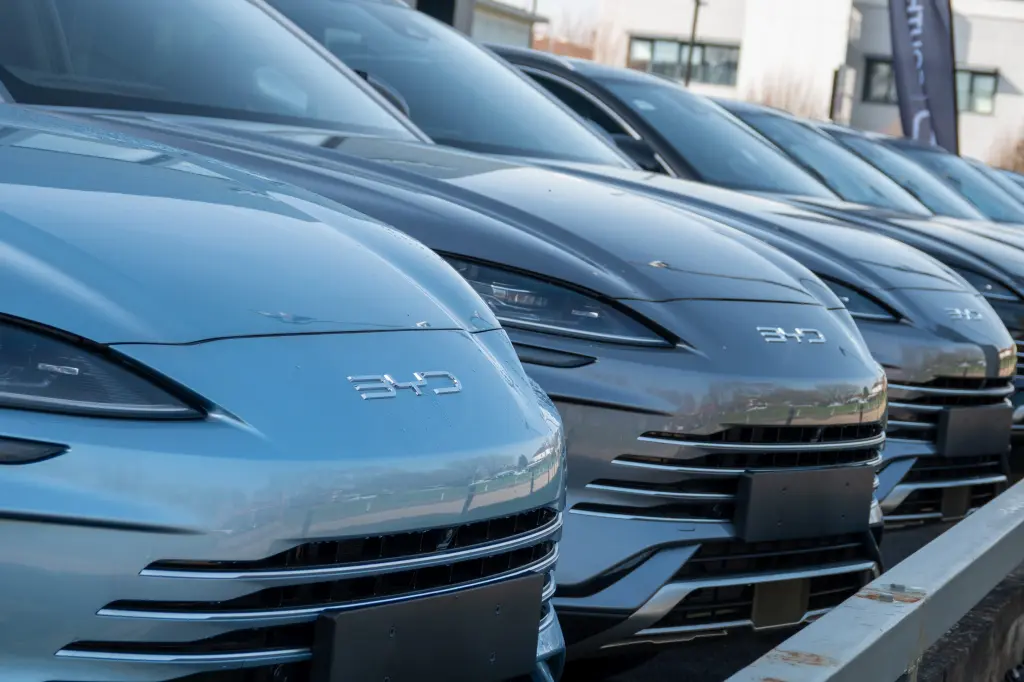
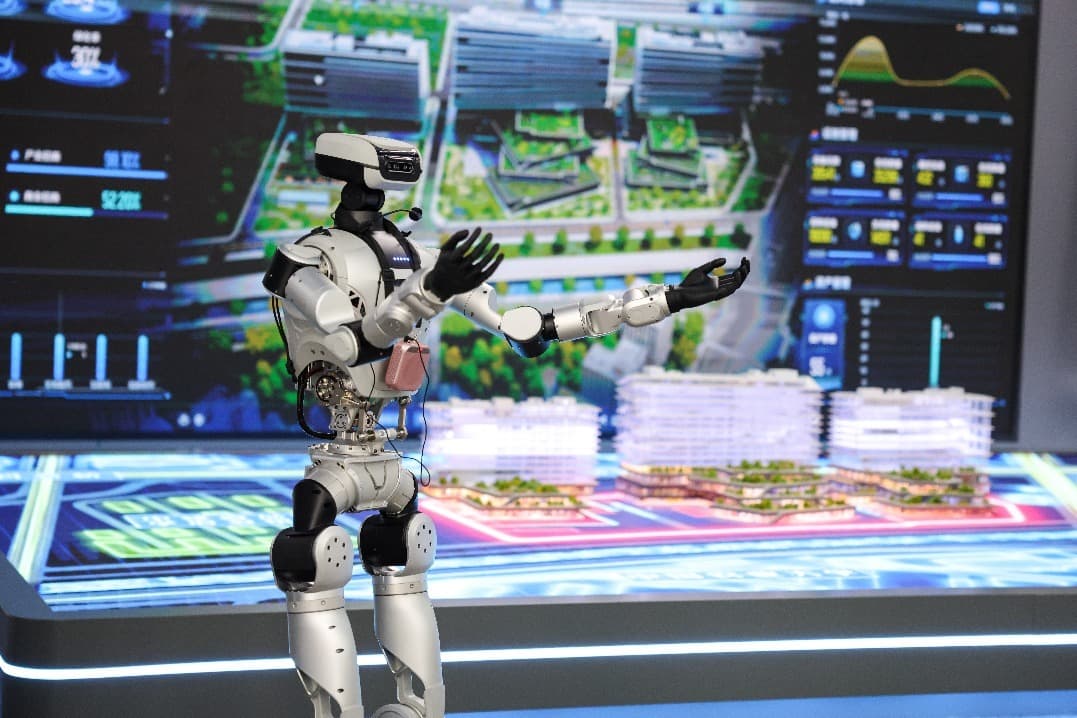
Visiting a factory is becoming a fast-growing choice in China's travel market. According to the online travel platform Tongcheng Travel, as of August 6 factory-related travel bookings had risen 36 percent year on year. Of those, 68 percent were for family trips, and interest among travelers born after 2000 rose 12 percent.
Turning factories into destinations
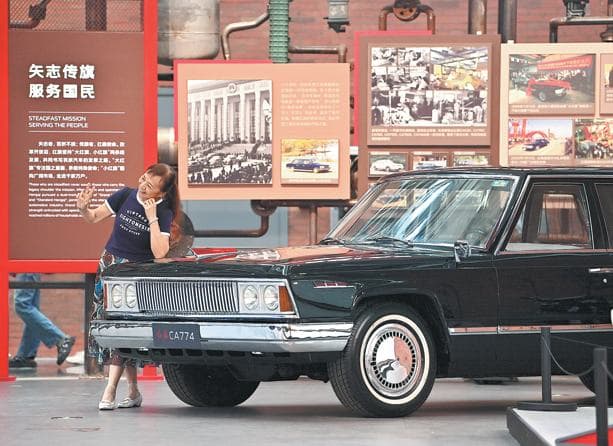
From the Tsingtao Beer Museum to the China FAW Museum in Changchun, factories are shifting from mere production sites into multifunctional destinations that combine education, entertainment and shopping. China FAW opened its production lines to the public as early as 1994, and today breweries, shipyards, auto plants and even repurposed mines have become places worth a visit.
Zhang Xiaohui, a Beijing resident, shared her experience: she checked Xiaohongshu for tips and booked the earliest slot, hoping to avoid the crowds, learning how beer is made and exploring the brewery's history. She said that although she cannot drink much, being able to learn, have fun and enjoy a drink made it a great experience.
Market and policy in step
Factory tourism also shows a strong near-distance and in-depth character: more than 80 percent of trips are within a three-hour travel radius, and among those who combine factory visits with longer itineraries, more than 80 percent stay in the same city for three days or more. For inbound travel, factory-tour bookings on the HopeGoo platform rose about ninefold year on year. Zero Power Intelligence Group estimates the industrial tourism market could grow from about 120 billion yuan in 2023 to about 300 billion yuan in 2029, a compound annual growth rate of roughly 18 percent.
Policy is adding momentum. The 15th Five-Year Plan lists industrial tourism alongside rural, wellness and red tourism as a development priority, and in May several central departments jointly issued guidelines encouraging factory tours, industrial heritage sites and technology-enabled experiences.
From watching to experiencing
Challenges come with the boom. Plants designed for efficiency and security need to build visitor corridors, train professional guides and add interactive displays, and some projects remain static, making repeat visits and spending beyond admission fees hard to sustain. Industry insiders note that professionals who understand both manufacturing and tourism are still scarce, and that high investment costs and long payback periods are real barriers.
Experts suggest that industrial tourism should move from passive observation toward more immersive formats such as study trips, team-building and nighttime programming, using better cultural storytelling to turn a factory visit into a memory worth revisiting.