On the 81st anniversary of Japan's announcement of unconditional surrender, several Japanese political figures visited or made offerings to the Yasukuni Shrine, drawing criticism at home and abroad. The shrine honors 14 Class-A war criminals and has long been seen as a symbol of Japan's militarist history.
Visits and offerings
According to reports, on August 15 Prime Minister Sanae Takaichi sent a ritual offering known as tamagushi to the Yasukuni Shrine in her capacity as president of the Liberal Democratic Party, and performed a remote worship before attending a memorial ceremony for the war dead. Several senior LDP officials and Cabinet ministers, including Defense Minister Shinjiro Koizumi, also visited the shrine. Unlike a number of predecessors since 2012, Takaichi made no mention of Japan's remorse during the ceremony.
Warnings of backsliding
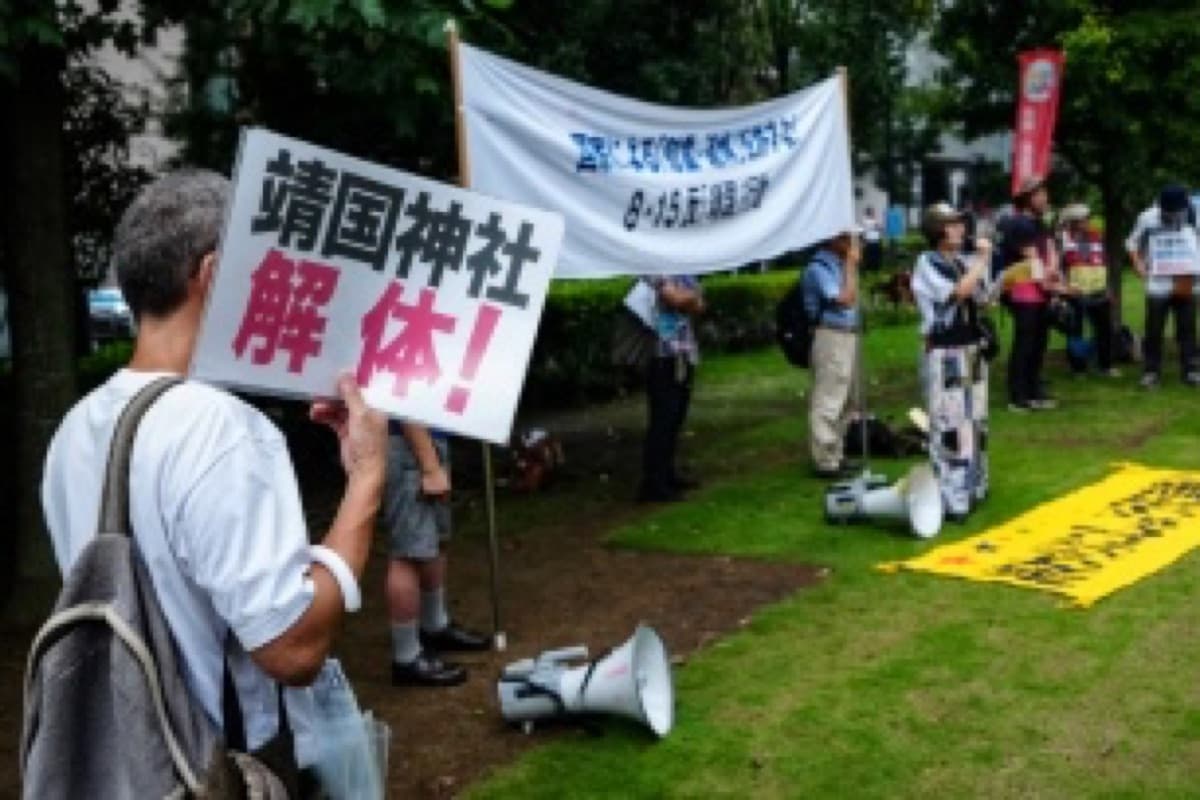
Scholars and peace advocates voiced concern. Yoichi Komori, a professor at the University of Tokyo and secretary-general of the Article 9 Association, said the collective visit by senior LDP officials raises serious constitutional concerns and is politically unacceptable. Hiroshi Shiratori, a professor at Hosei University, said August 15 should be an important occasion for Japan to confront its wartime history and reflect on the devastation the war caused.
In their view, beyond the visits, a series of moves deserves even closer attention: relaxing restrictions on weapons exports, increasing defense spending, revising the Imperial House Law, and setting up a national intelligence body. Some commentators describe these steps as a return to the prewar era, worrying that a stronger military combined with a concentration of state power could steer Japan in a dangerous direction.
Reactions from neighbors
Protests from neighbors followed. In South Korea, about 10,000 people marched in Seoul on National Liberation Day to criticize Japan's push to rearm. The South Korean foreign and defense ministries summoned Japanese officials to lodge protests, urging Japan's responsible leaders to face history squarely. Remembering history is not about perpetuating hatred, but about ensuring tragedy is not repeated. For Japan, how to sincerely face that history remains a lesson it cannot avoid.