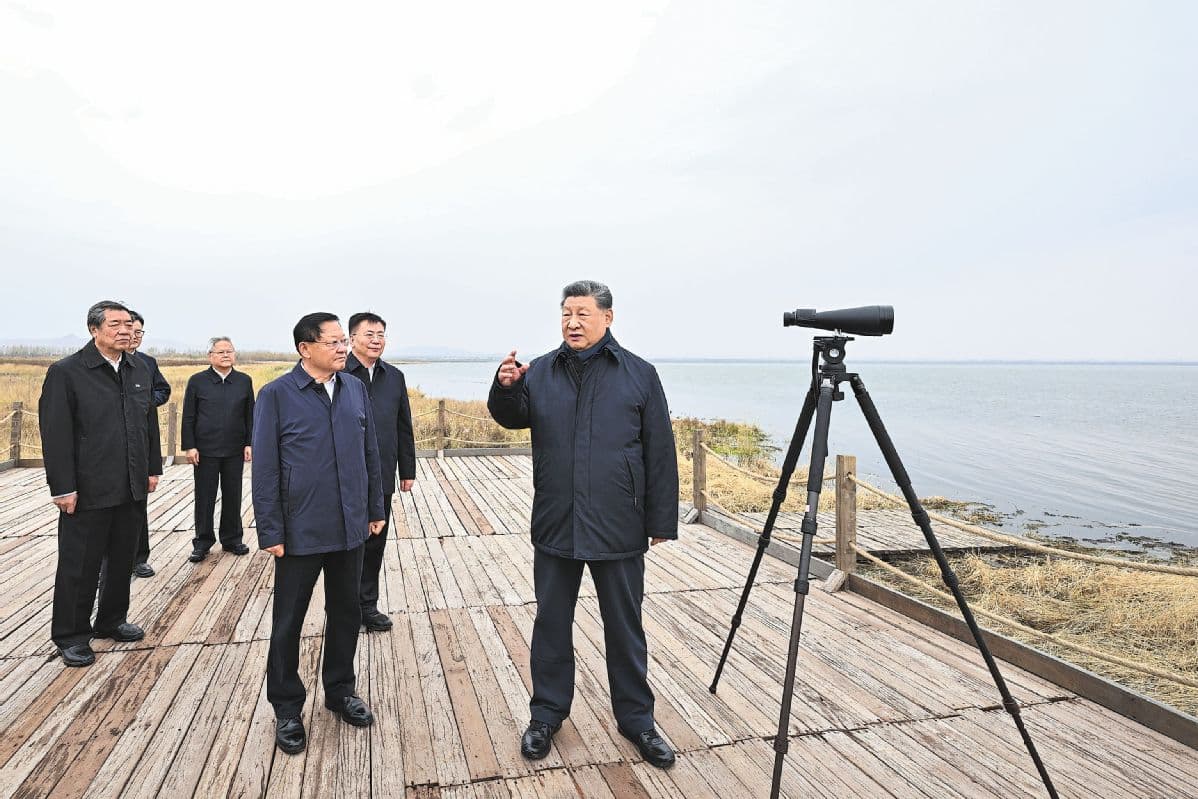
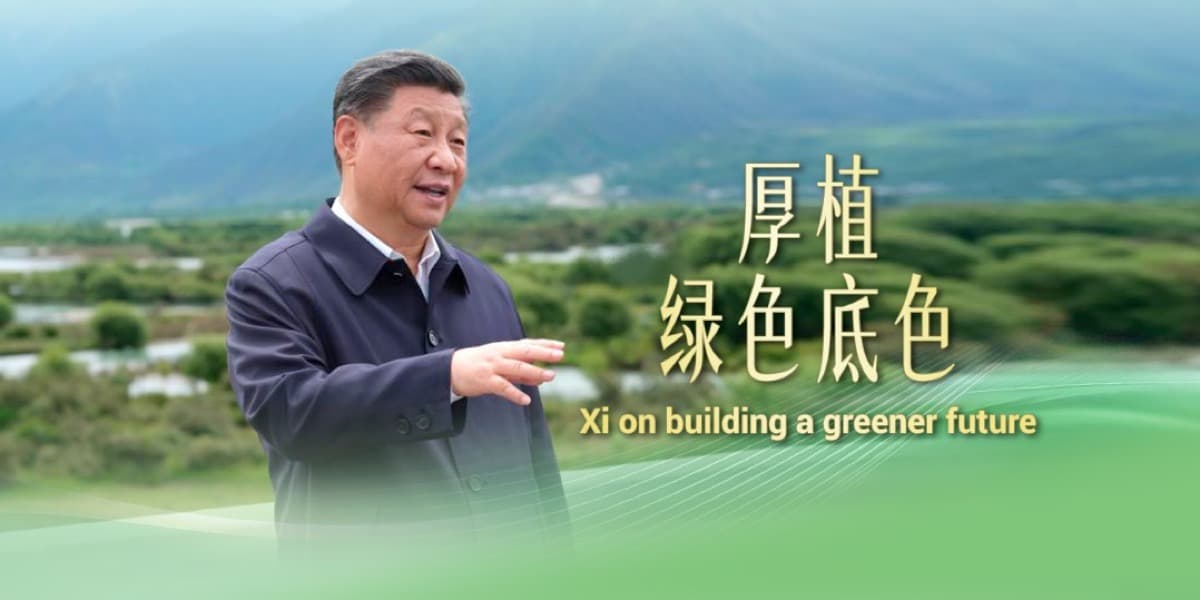
August 15 is China's National Ecology Day. Around this occasion, China places the building of an ecological civilization in a prominent position, stressing a path that prioritizes ecological conservation and pursues green development, and working to lay a greener foundation for growth. China also positions itself as a participant, contributor and leader in building a global ecological civilization.
Lucid waters and lush mountains are invaluable assets
In China's approach to green development, the idea that lucid waters and lush mountains are invaluable assets is often repeated. It means that a healthy environment is itself a form of wealth, and that protecting ecology and developing the economy are not opposed but can reinforce each other. In recent years, from afforestation to pollution control and from energy transition to green and low-carbon development, a series of measures have pointed in the same direction.