In 1994, the world's first smartphone, the IBM Simon Personal Communicator, cost $899, took 90 minutes to charge, and allowed calls, faxes, and email for about an hour before needing another charge. It still launched a new product category. Through Blackberry, the Apple iPhone, and Android, the smartphone has become essential to modern life. Today roughly 90% of people in the United States, the United Kingdom, and the European Union own or use a smartphone.
Ultra-mature markets bring problems of their own. Users hold onto devices longer as each new model offers smaller improvements. In the battle for critical processors, phone makers are reluctant to pay the high prices demanded by AI frontier labs and data centers, creating supply shortages. Research firm Omdia expects global smartphone shipments to fall 11.9% in 2026, the largest contraction on record, followed by another 6% decline in 2027 that would produce the lowest annual volume since 2013.
Oppo's counter-cyclical bet
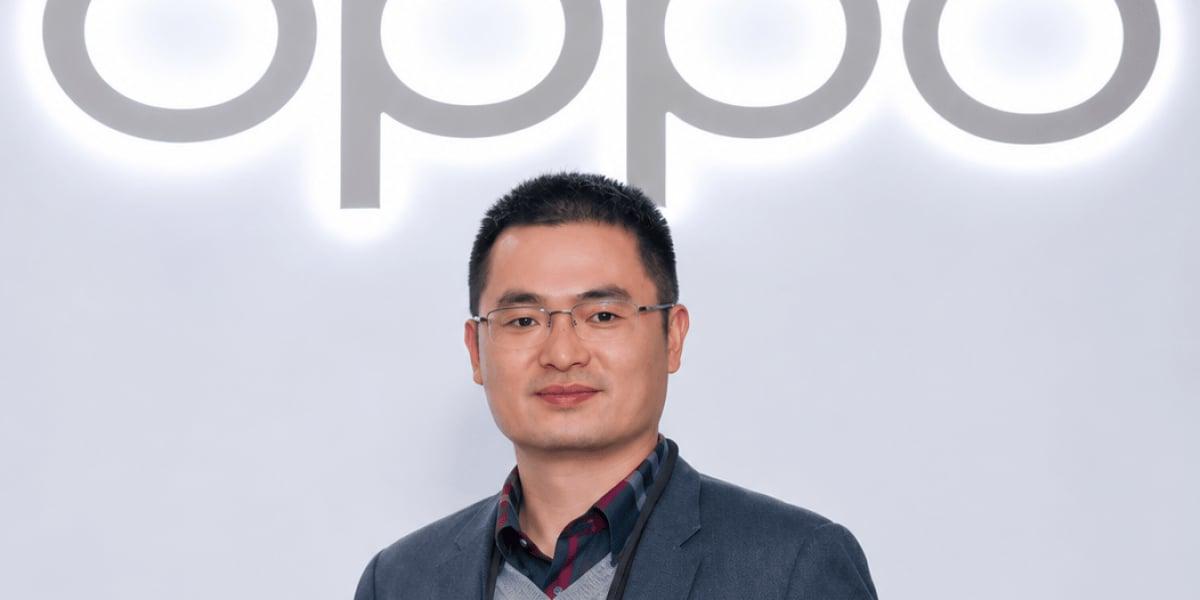
Against this backdrop, Chinese phone maker Oppo, ranked fifth globally, is moving on the offensive. With the United States largely closed to Chinese brands, Oppo is focusing on Europe and targeting young users with premium devices. Elvis Zhou, CEO of Oppo Europe, said European consumers know Oppo is a Chinese brand, yet they still choose it, which shows the product features and experience are genuinely attractive.
Zhou believes younger European consumers are skeptical of advertisements and prefer to trust real user experiences they see on social media. The rise of AI search gives smaller brands a chance to break through, he argued, because AI tools focus on product features and user experience rather than outside noise.