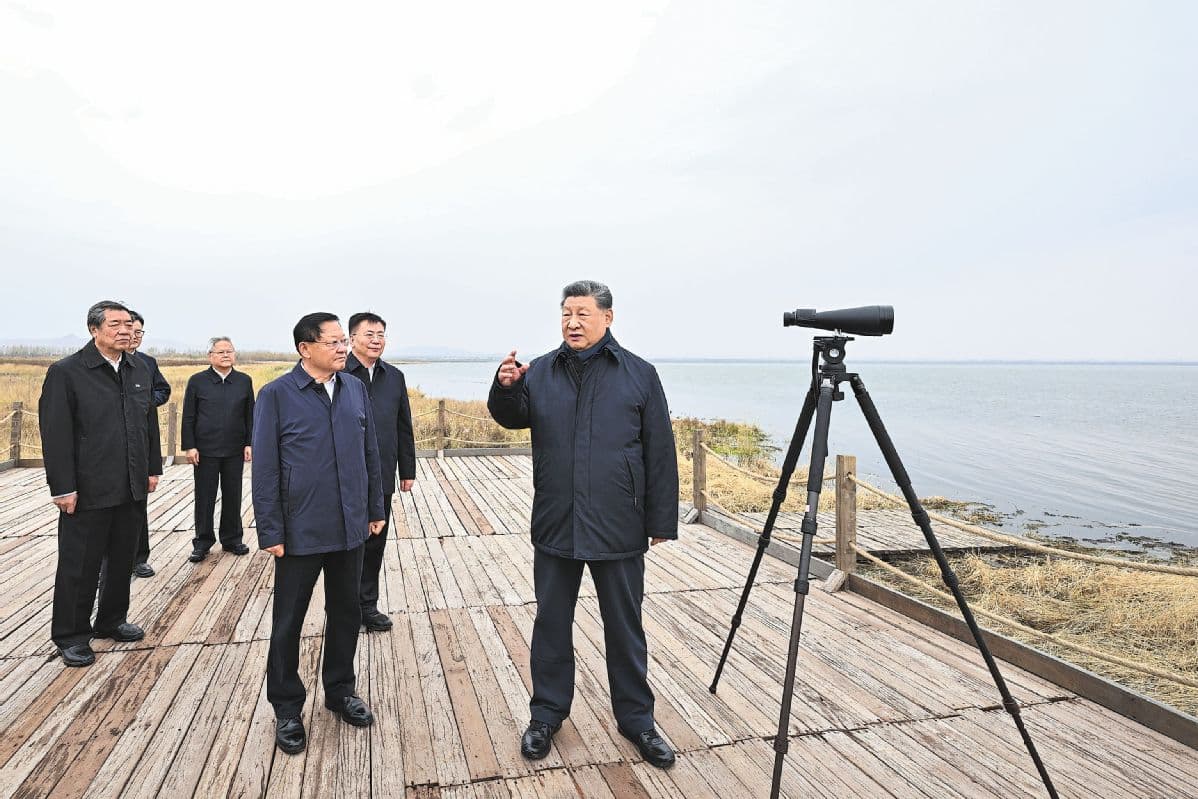
President Xi Jinping, general secretary of the Communist Party of China Central Committee, chaired a meeting of the Political Bureau of the CPC Central Committee on Friday to deliberate on and arrange the rescue, relief and aftermath work following the mudslide disaster in Gyirong county, Xizang autonomous region. At the start of the meeting, Xi and other leaders in attendance, including Li Qiang, Zhao Leji, Wang Huning, Cai Qi, Ding Xuexiang and Li Xi, observed a moment of silence for the victims.
The disaster and the initial response
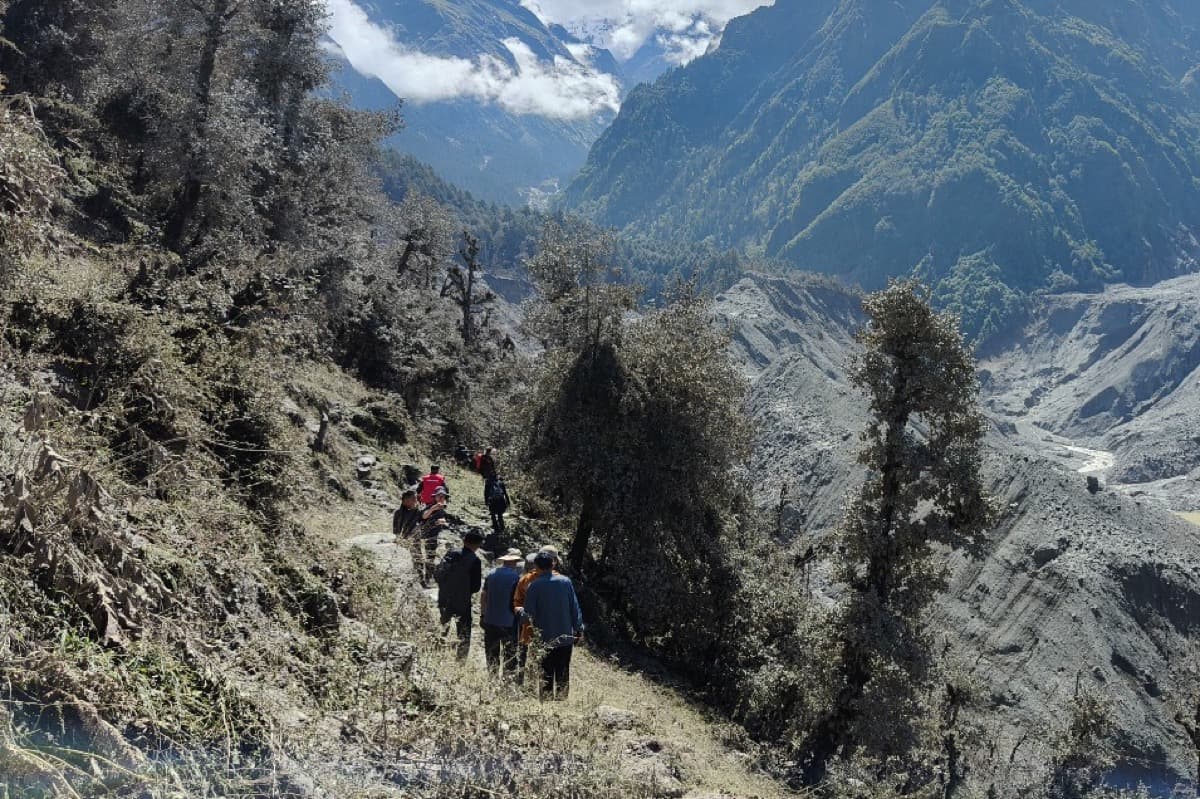
A mudslide that struck on the Nepalese side of the border on Wednesday hit the Gyirong border port, causing heavy casualties and leaving many people missing. The CPC Central Committee attached great importance to the situation as soon as it unfolded, and Xi issued instructions without delay. Entrusted by Xi, Premier Li Qiang, a member of the Standing Committee of the Political Bureau, traveled to the disaster area to visit affected residents and rescue personnel and to oversee the response, while Vice-Premier Zhang Guoqing, a member of the Political Bureau, also went to the site to guide the effort.
A rescue made harder by the terrain
The meeting noted that under the Party Central Committee's leadership, rescue forces have moved quickly and the response has been carried out in an orderly and well coordinated way, with comprehensive work underway to resettle affected residents and manage the aftermath. It also pointed out that the disaster struck a severely cold plateau region marked by steep valleys, shifting weather, dense clusters of glaciers and glacial lakes, and a heightened risk of geological hazards, all of which have made the emergency response considerably harder.
What comes next
The meeting called on relevant regions and departments to take resolute, effective measures, draw up search and rescue plans on a scientific basis, and spare no effort to find and rescue every missing person, Chinese and foreign alike. It called for stronger coordination across departments, tighter monitoring and early warning, close tracking of the barrier lake and the stability of surrounding mountains, firm prevention of secondary disasters, and better management of personnel on site to keep the rescue effort safe throughout. China will also provide emergency aid to the disaster hit area in Nepal and pursue international rescue cooperation, the meeting said.
The meeting further called for comprehensive inspections to identify risks and hazards, stronger real time monitoring and early warning, a better ability to recognize the risks posed by chains of disasters, improved emergency response mechanisms, reinforced core rescue forces, and more rescue and emergency personnel deployed to remote, disaster prone areas, along with deeper international cooperation on disaster management in border regions. On balancing development with security, it stressed the need to prepare for worst case and extreme scenarios, maintain a strong sense of political responsibility and constant vigilance, and follow through on work to safeguard safety and stability.