Transit fares reliably draw public argument, but the fare is only the outermost number in the system. Underneath it sits a cost structure covering construction amortisation, maintenance, staffing and energy.
Rail is the clearest case. Once a line opens, its costs do not fall. Train inspection, signalling upgrades, station operations and staffing form a continuous outlay, and a large share of it has nothing to do with how many people ride. On a lightly used line, the cost of carrying each passenger climbs sharply.
Subsidy is not simply covering the gap
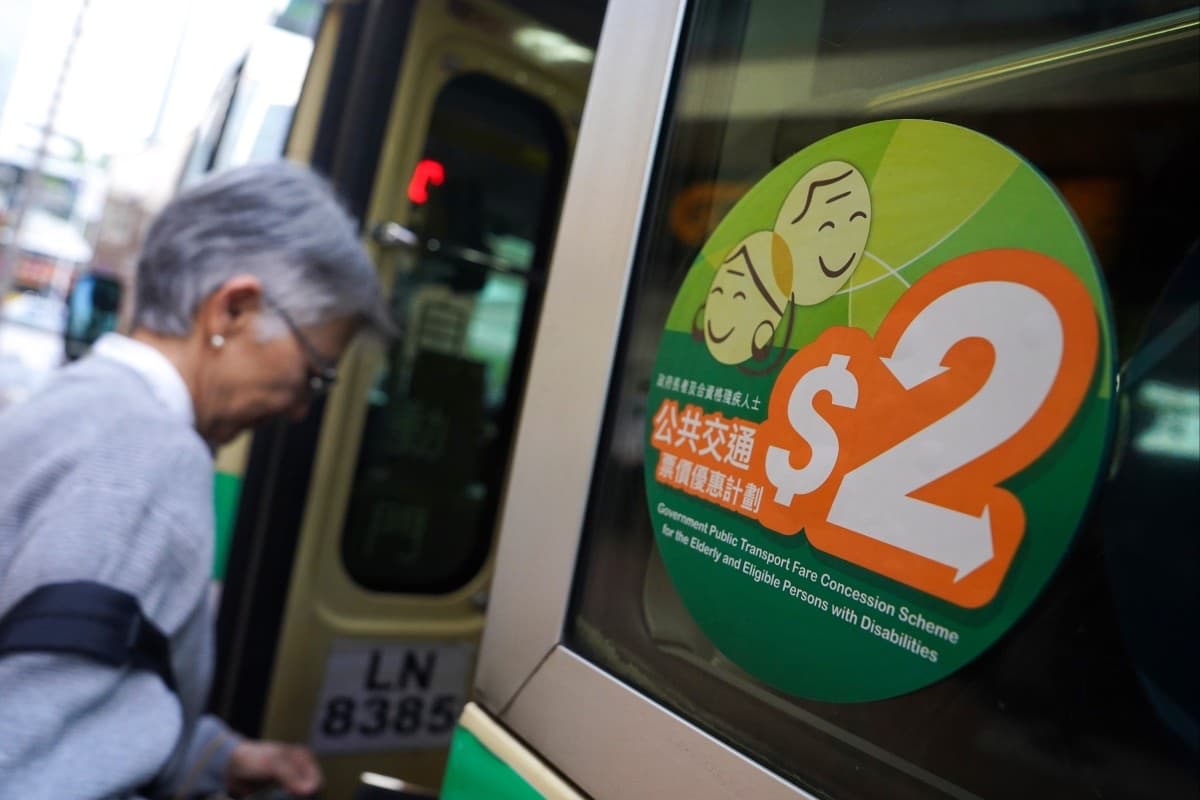
Most city networks run on public subsidy, and how that subsidy is designed shapes how operators behave. If it simply tops up losses, there is little reason to control costs. If it is tied to ridership or service quality, it tends to push operators toward better scheduling and punctuality.
Some cities have started folding service measures into subsidy assessments: headways between departures, the share of accessibility equipment in working order, how well interchanges connect. These measures add administrative work, but they connect the money to something a passenger actually experiences.
Levers other than the fare
Raising prices is not the only way to manage demand. Time-of-day pricing, monthly passes and interchange discounts all steer when and how people travel without moving the overall fare level. Removing a peak-hour discount while deepening an off-peak one is usually easier to accept than an across-the-board increase.
Pricing public transport is ultimately a public choice. It requires repeatedly balancing fiscal capacity, operational sustainability and fairness of access, rather than searching for one number that settles the question for good.