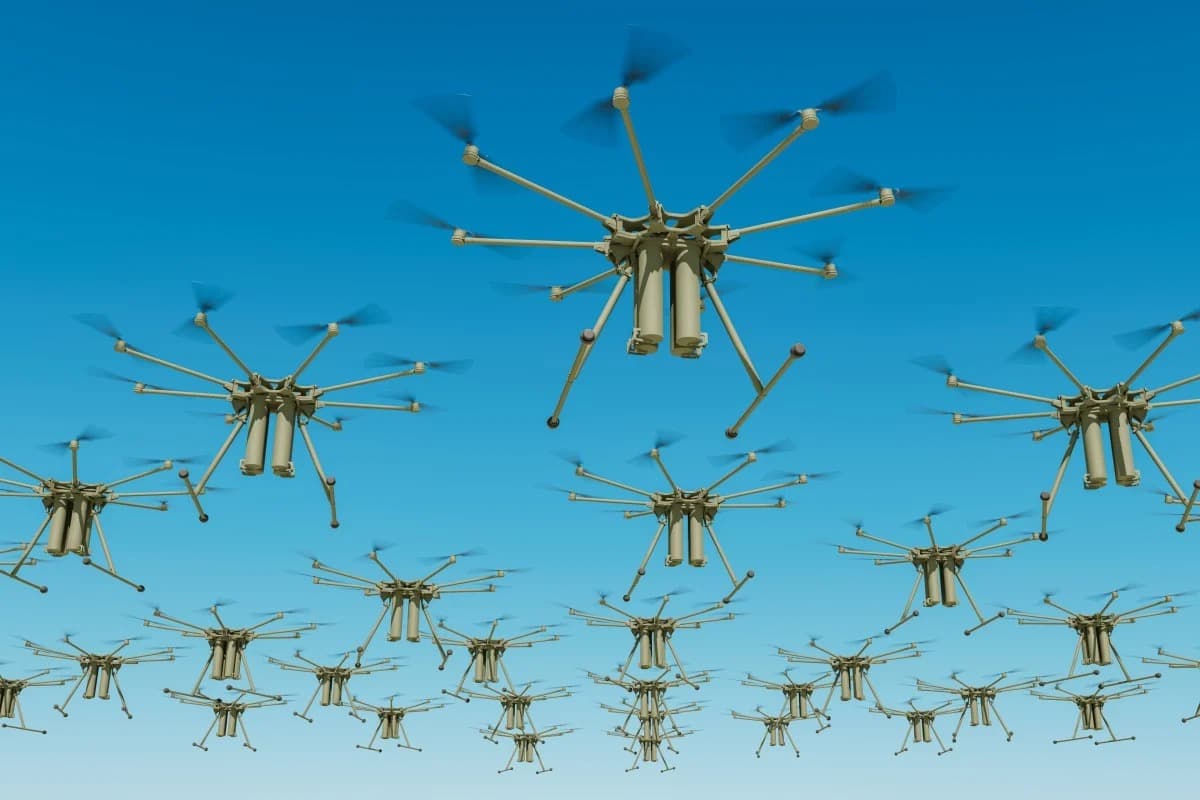
From consumer camera drones to military strike capable aircraft, China has built one of the world's most complete drone industry supply chains. Consumer drone makers led by Shenzhen based DJI hold a dominant share of the global civilian drone market, while military drones developed by Chinese defense contractors, including the Wing Loong and CH series, have been exported to armed forces across the Middle East, Africa and beyond.
Shenzhen, the manufacturing heart of the drone industry
Much of the competitive edge in China's drone industry rests on the dense electronics manufacturing supply chain built up in Shenzhen and the wider Pearl River Delta. Component makers producing batteries, motors, flight controllers and camera modules cluster around the city, letting drone manufacturers compress the time from design to mass production. That industrial clustering effect is a major reason companies like DJI have held onto their lead in the global consumer drone market. Beyond aerial photography, Chinese drone makers have also been pushing into industrial applications such as crop spraying, delivery logistics, power line inspection and surveying.
Military drones head overseas
On the military side, the Wing Loong and CH series drones developed by state defense contractors including Aviation Industry Corporation of China have entered service with multiple foreign militaries, offered at relatively affordable prices with capabilities that have made them competitive in the international arms trade. That has helped establish China as one of the world's leading exporters of military drones.
Export controls move to the center of the story
As the strategic sensitivity of drone technology has grown, China has tightened its own export control rules in recent years. China's Ministry of Commerce and other agencies have repeatedly imposed export controls on drones and related components and software, requiring exporters to seek licenses for specific models and end uses, moves officials describe as safeguarding national security and meeting nonproliferation obligations. At the same time, the United States has taken its own restrictive steps toward Chinese drone makers such as DJI on national security grounds, including placing companies on trade or military related lists, limiting government agency purchases of Chinese made drones, and pushing legislation to further narrow where the equipment can be used. The regulatory tug of war between Washington and Beijing over drone technology is, in its own way, a snapshot of the broader competition playing out across global tech supply chains.