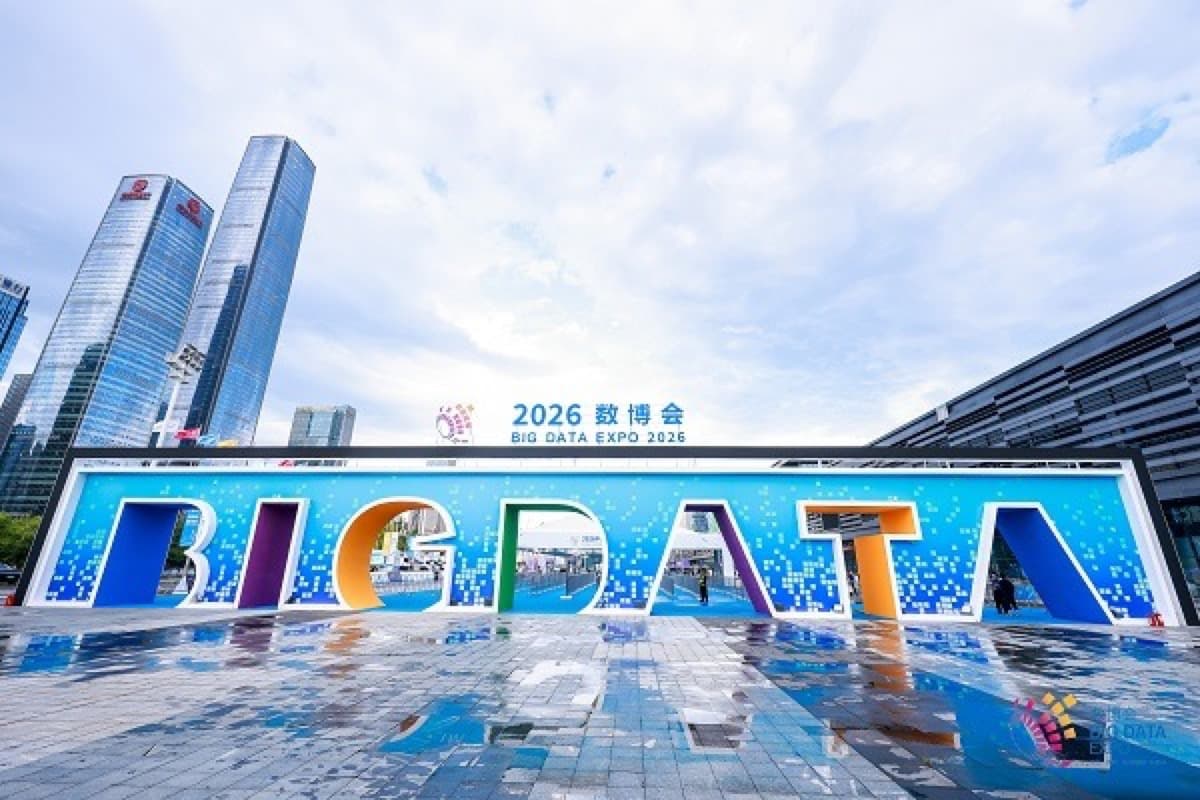
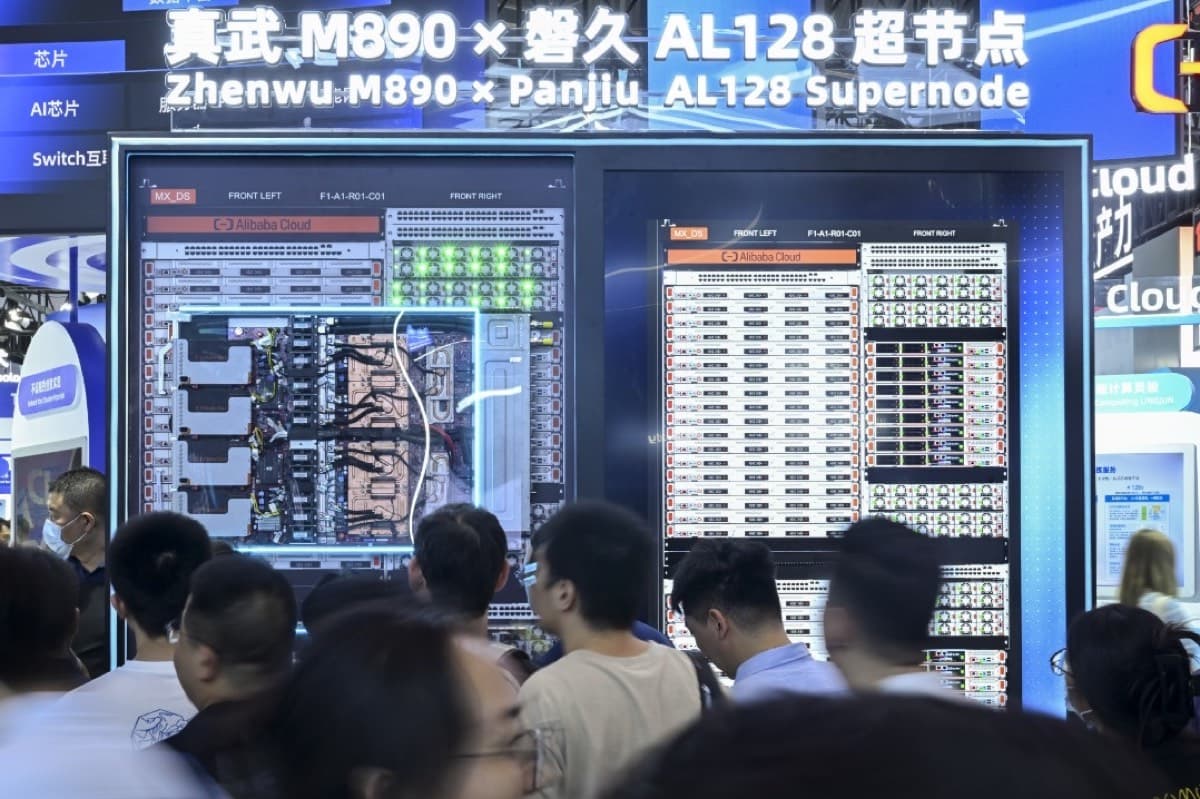
At the 2026 World AI Conference in Shanghai, a set of industry figures drew attention. China's core AI industry was valued at more than 1.2 trillion yuan last year, up over twenty percent year on year, according to figures cited at the event, and AI-related industrial output grew by more than thirty percent in the first half of 2026.
Alongside that growth has come a steady widening of where the technology is used. Many speakers made the same point: the value of AI lies less in a single breakthrough than in whether it can reach into concrete areas such as manufacturing, finance, healthcare and public services, and genuinely raise efficiency and cut costs.
The bar in the robotics supply chain
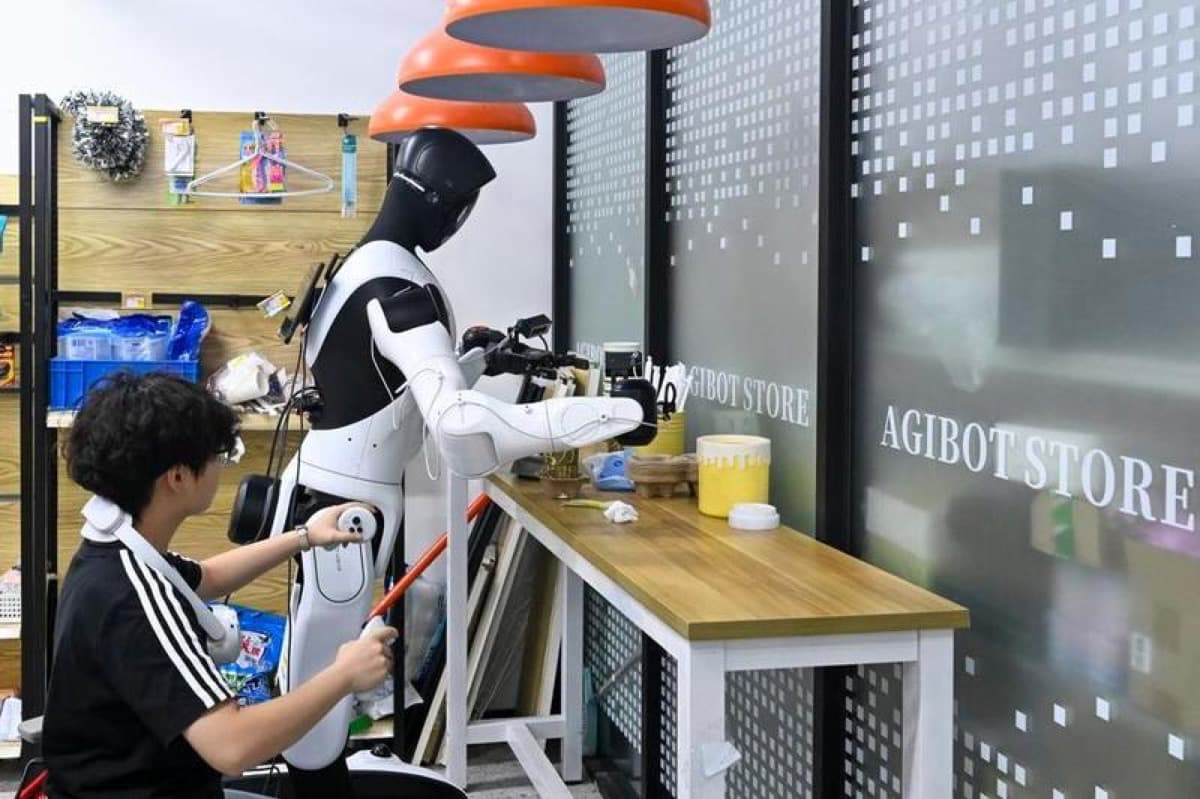
Humanoid robots are one example. Around sixteen thousand were deployed worldwide in 2025, more than eighty percent of them in China. Yet a single robot can draw on over sixteen hundred components, and only a handful of companies anywhere can mass-produce at scale. That suggests the supply chain still needs time to mature.
Products shown at the conference ranged from a robot that can shift between four-legged and humanoid forms to AI systems used in drug discovery, a sign of how quickly the technology is spreading across sectors.
Openness and cooperation
Several speakers stressed that AI should not be a solo performance by one country, but more like a symphony that many take part in. Through open-source models and scenario-based applications, the technology could reach developing economies at a lower barrier.
How to keep quality and safety intact while scaling up, and let more countries benefit, remains the question this industry has to answer in its next stage.