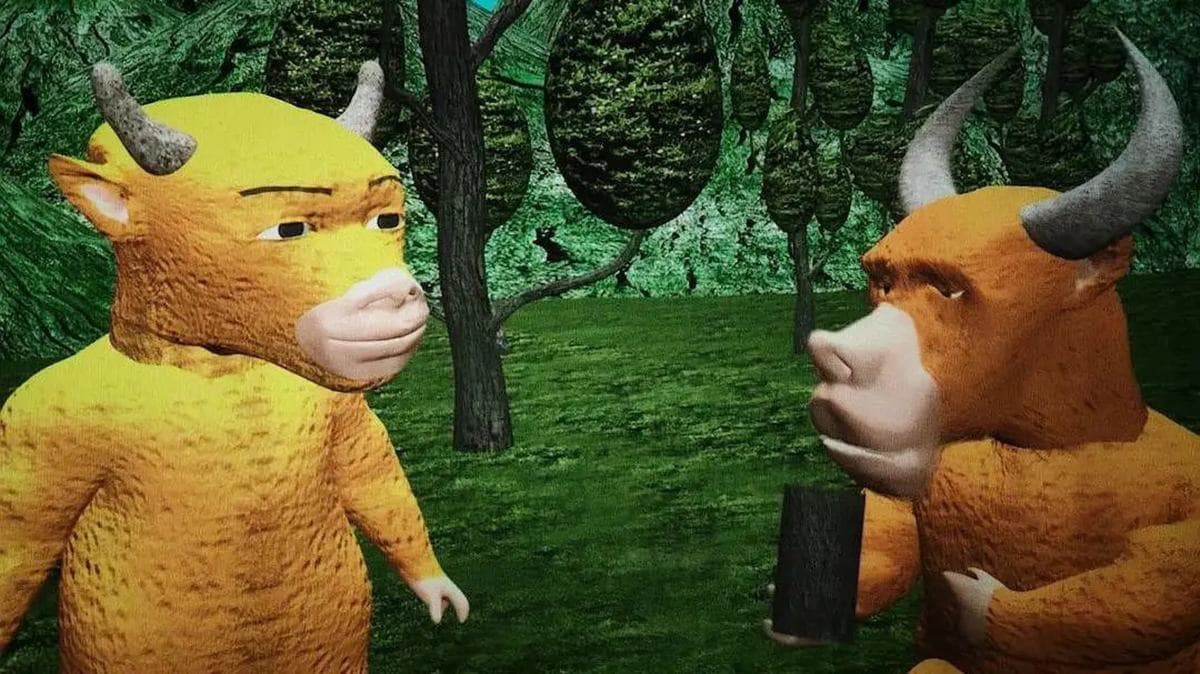
A new kind of content is spreading fast across social media. From cartoon animals with strange faces to surreal, illogical scenes, huge volumes of AI-generated video are being churned out cheaply and stuffed into people's feeds. Critics have given it a blunt name: AI slop.
AI video everywhere
As AI video generation tools become easier to use, almost anyone can produce a passable clip in minutes. Feeds have filled with lookalike content: cows with odd expressions, talking cats, convincing-looking fake news footage, and all manner of curiosity-bait made to chase clicks. Much of it carries an uncanny quality, somewhere between real and fake, that looks off at a glance yet still draws a second look.
Why it floods in
The flood is closely tied to the incentives behind it. Production costs are tiny while output can be enormous, and platform algorithms tend to favor accounts that post often and drive high engagement. Add advertising revenue sharing and other ways to make money, and mass-producing AI content becomes a profitable business. For many operators, quality hardly matters; what matters is volume and traffic.
Concerns and debate
The deluge brings worries too. AI footage that is hard to tell from the real thing can be used for deception and misinformation. A wave of low-effort content can drown out work that people actually put care into, squeezing human creators. And when feeds fill with interchangeable AI clips, viewers grow weary. Some platforms have begun to act, trying to label AI-generated content or lower its weight in recommendations.
AI video tools are themselves neutral. They can lower the barrier to creating and unlock imagination, or they can be used to manufacture meaningless noise. The real question may not be the technology but how people use it, and what standard platforms are willing to hold the line on for quality. In an age when AI can increasingly generate anything, learning to tell apart, filter and value content that is genuinely worthwhile is becoming a lesson for everyone.