
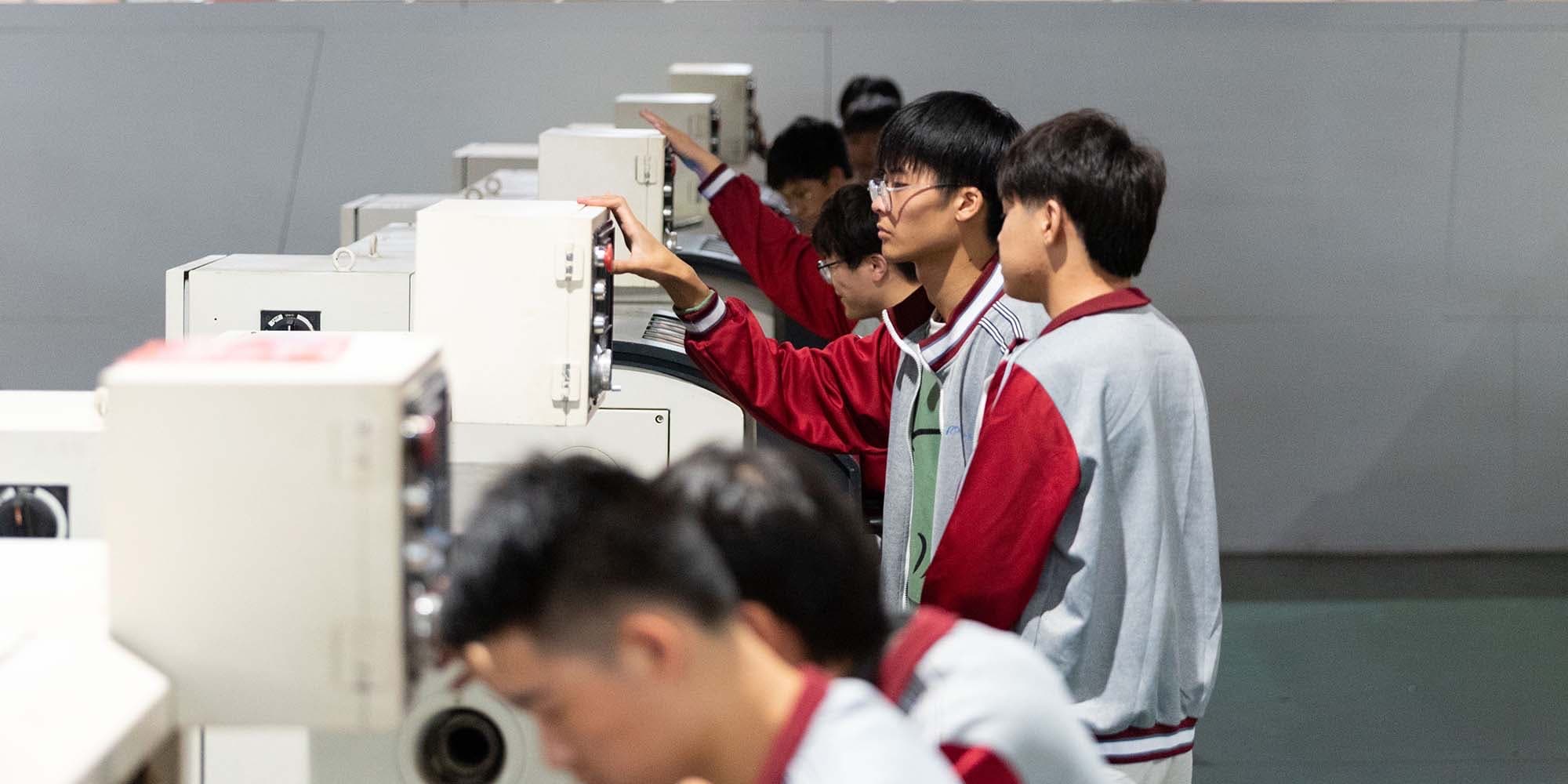
Vocational education has long carried low social standing. The usual explanation points at teaching quality, but from the position of graduates the problem sits mostly in what happens after they are hired.
Where promotion systems take academic credentials as the main reference, skill level shows up only weakly in pay. The choices students and families make on that basis are rational responses, not outdated attitudes.
Employer partnerships have to go beyond short-term labour
Many partnership schemes stop at arranging placements. The employer gets seasonal help, the school records practical hours, and neither side has reason to invest more deeply. Partnerships that actually work involve the employer in designing the curriculum and setting assessment standards.