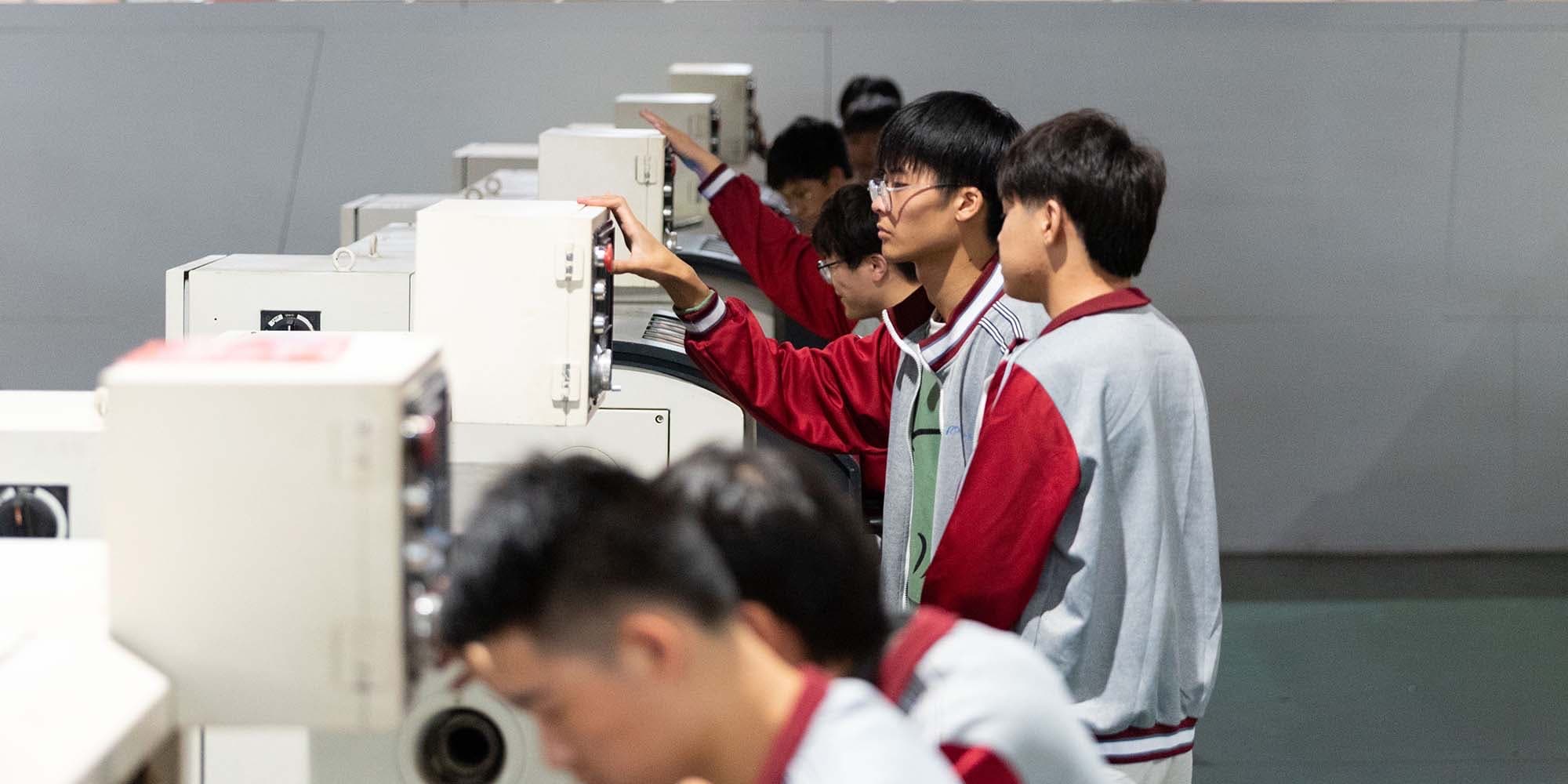
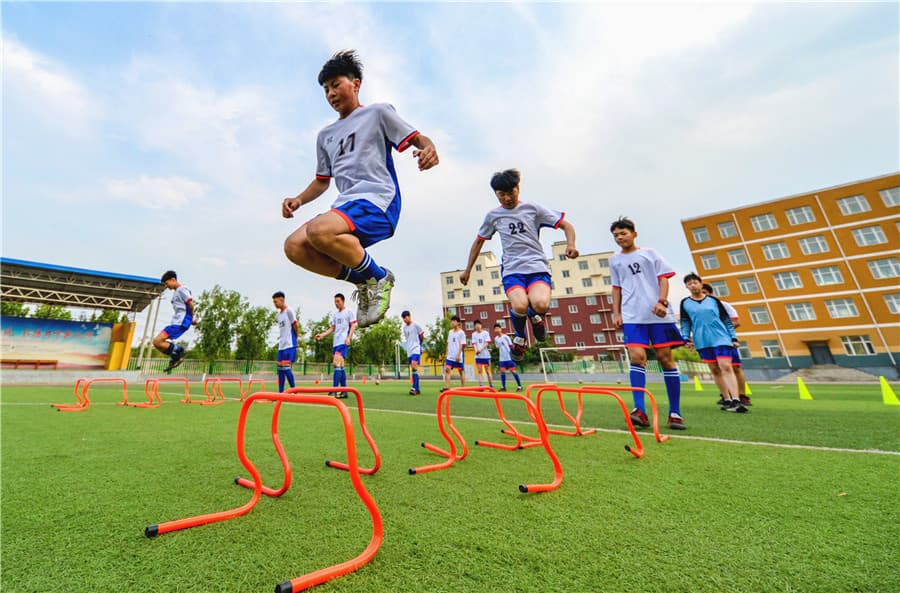
After-school provision now runs routinely in most areas and has eased the pickup problem for households where both parents work. After a period of operation, the question of sustainability has come forward.
Staffing for those hours generally comes from teachers working longer. How that additional workload counts toward assessment and pay directly affects whether teachers take part willingly and in what condition. If it rests on goodwill indefinitely, accumulated fatigue feeds back into ordinary lessons.
Content quality decides what parents do
Where the programme is only extended supervised study, the underlying demand is not met and families return to outside tutoring. Where it offers sport, arts or hands-on science, the value rises noticeably.