Times of China
Business

From $1,000 Gucci Sneakers to German Cars: China's Manufacturing Push Into Europe's High End

Gucci's newest 1,000 dollar sneakers carry a Made in China label, breaking with the brand's 105-year Italian tradition. Analysts see it as a sign of Chinese manufacturing pushing into Europe's high end industries, in what some economists call a second China shock.

By 中国时报编辑部Published 4 min read
Share
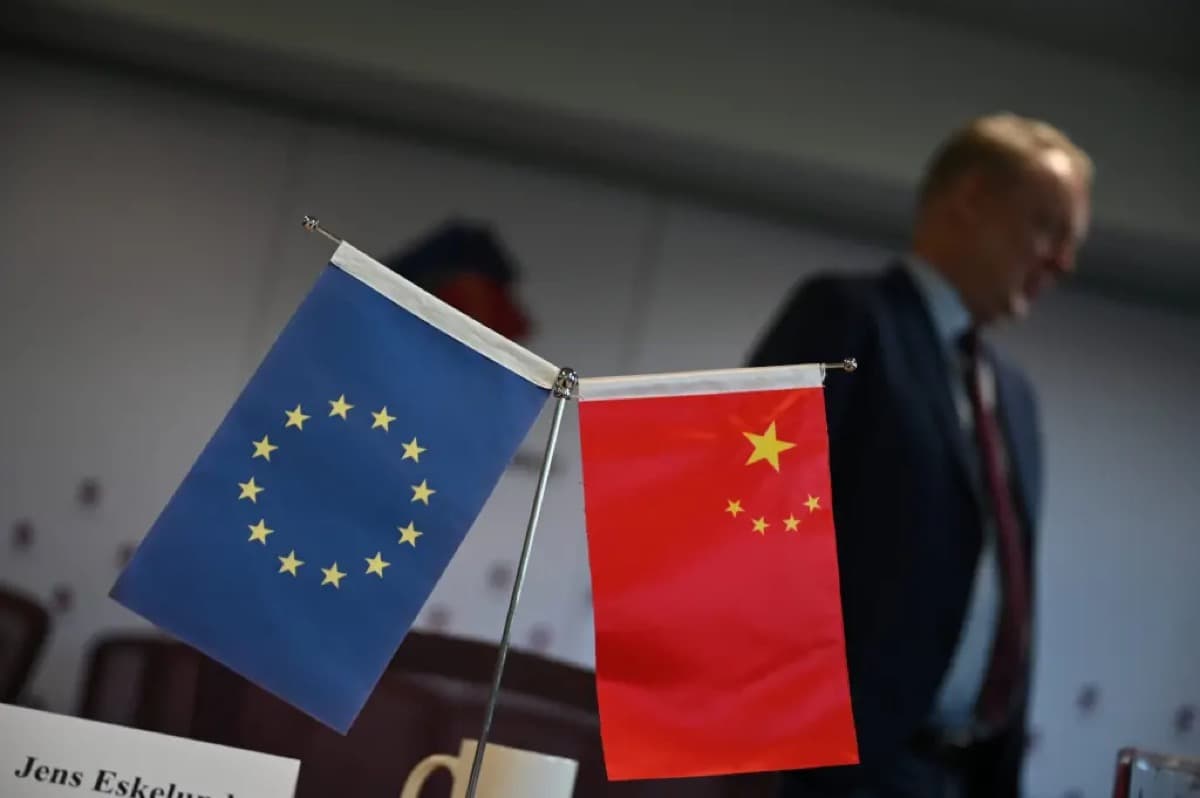
A close-up of small European Union and Chinese flags on a conference table, with a man's figure blurred in the background.
A close-up of small European Union and Chinese flags on a conference table, with a man's figure blurred in the background. · Johannes Neudecker/picture alliance via Getty Images

Gucci built its reputation on Italian craftsmanship over more than a century, but its newest 1,000 dollar sneakers break with that 105 year old tradition, carrying a Made in China label instead. Rather than pointing to the cheap labor long associated with Chinese factories, the fashion house said it chose a Chinese manufacturer known for its technological know-how and its ability to meet the brand's quality standards. Gucci has also said its other products will continue to be made in Italy.

From cheap manufacturing to a high end partnership

For many industry observers, the shift marks a departure from what a Made in China label used to signal, and is being read as the latest sign of Chinese manufacturing pushing into some of Europe's most storied industries, from high end consumer goods to automobiles. Ker Gibbs, former president of the American Chamber of Commerce in Shanghai, told Fortune that in a symbolic sense China has arrived, and that it is no longer a place associated only with cheap, low quality manufacturing.
A second China shock

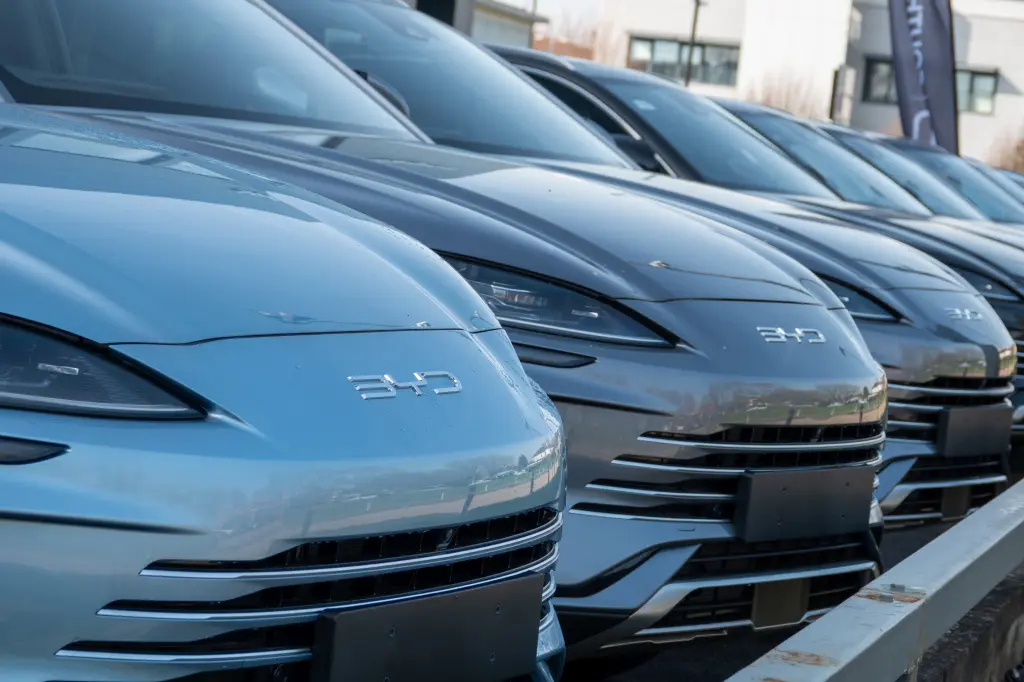
Some economists, including Apollo Global Management chief economist Torsten Slok, have described the trend as a second China shock. In the first wave, cheap Chinese made clothing, furniture and electronics flooded Western markets, squeezing jobs and output in related industries there. This time around, the difference is that the pressure has spread from low value goods to higher value sectors long seen as European strongholds, including cars, precision machinery and luxury goods, with Germany's automakers among those feeling the competitive pressure from China's improving supply chains and vehicle manufacturing capabilities.

Tags

  • 古驰
  • 中国制造
  • 德国汽车
  • 欧洲
  • 第二轮中国冲击

Read More