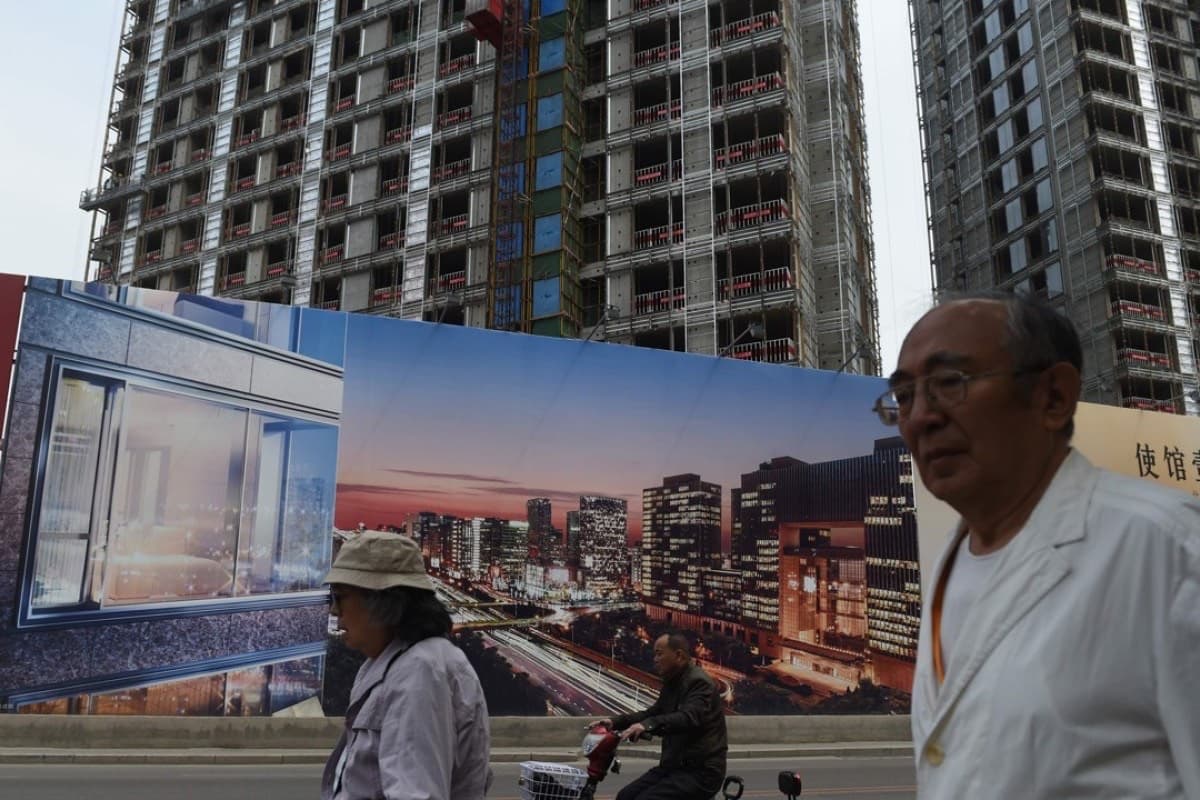
The centre of gravity in property is moving from new development toward managing existing stock. That is not only a change in scale, it is a restructuring of what the business has to be good at.
The development model relies on securing land, arranging finance and turning capital over quickly, with performance judged project by project. The operating model relies on sustained service quality and cost control, judged over years, along a return curve that is flat and long.
Services become the revenue line
With new construction subdued, property management, rental operations and community services are being reassessed. The unit values are modest, but the cash flow is steady and scales directly with the stock under management.
The catch is that service margins are highly sensitive to labour cost. Expanding without a matching gain in management efficiency produces rising revenue and flat profit. Digital tools matter here mainly for cutting the manual effort in inspections, repair requests and billing.
Repositioning older assets
Converting tired retail and office buildings is the other path attracting interest. Repositioning underused assets requires an accurate read of local demand and careful arithmetic between the cost of the work and the rent it can support.
When these projects fail, it is usually not because the design was poor but because the payback period was estimated optimistically. Managing existing stock rewards patience, and patience was the least celebrated quality of the fast-turnover era.