When people talk about China's artificial intelligence, they tend to focus on its gap with the United States in large models. By one view, the six-to-12-month innovation gap between China and the US in large models has been largely closed. Yet more than benchmark comparisons, what deserves attention is how AI is reaching deep into China's real economy and becoming a force that strengthens economic resilience.
The gap largely closed
At the level of large models, Chinese firms are catching up at a striking pace. Models such as Kimi k3 and DeepSeek keep iterating, and China's open-source models are priced 60 to 90 percent lower than comparable products from OpenAI and Anthropic. With low prices and openness together, Chinese models are entering overseas markets: Chinese AI models averaged about 30 percent of weekly token usage at US companies, peaking near 46 percent.
Into the real economy
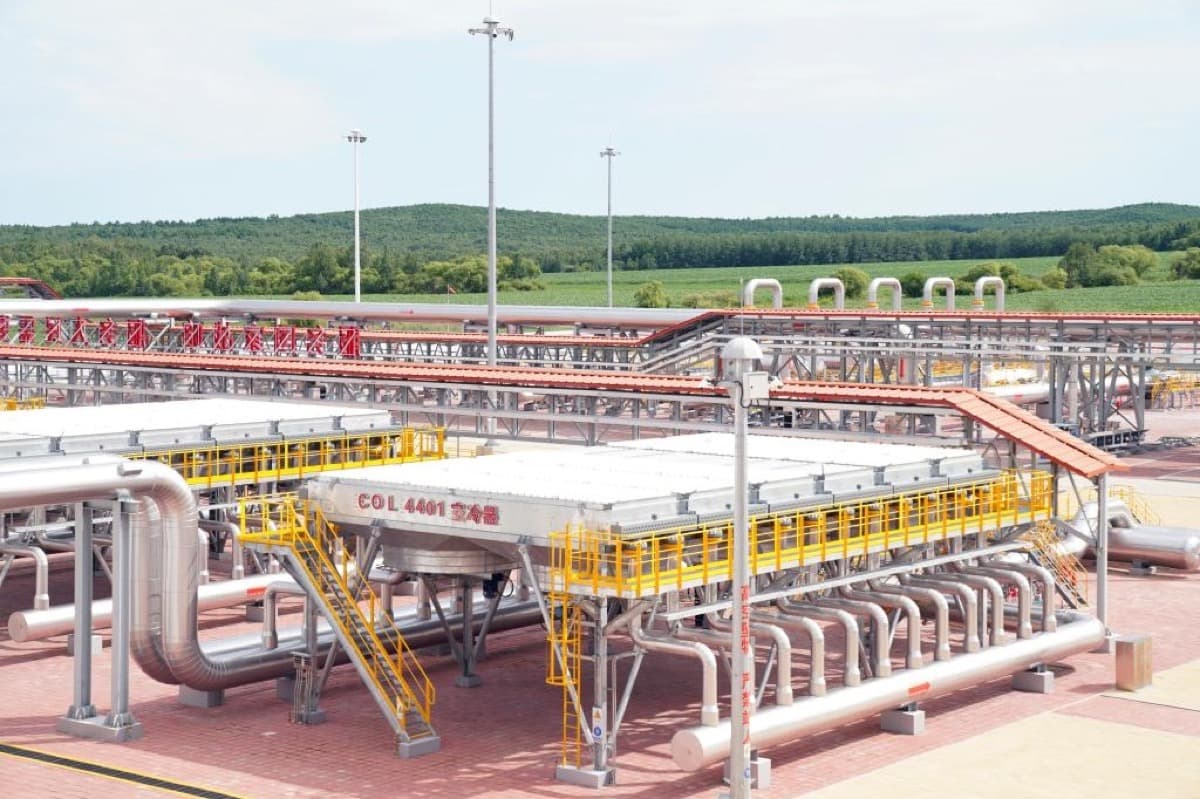
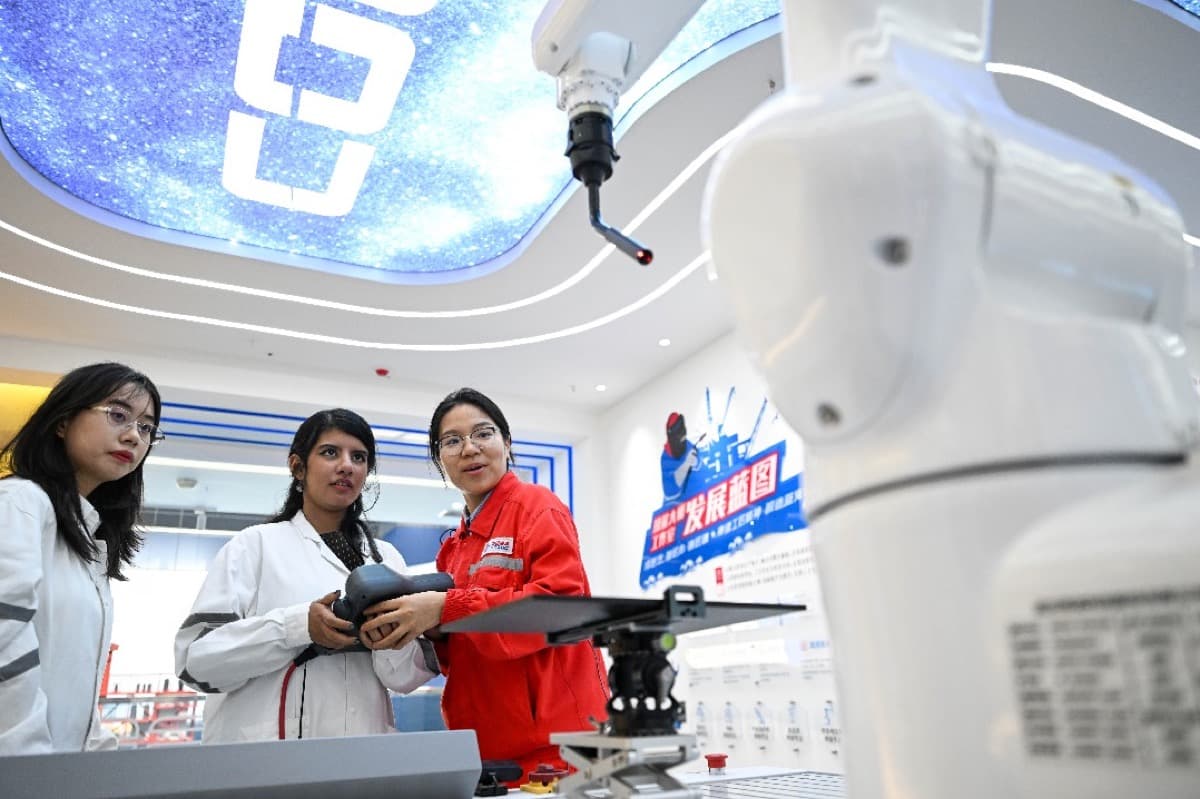
Unlike the US model, which leans toward service-sector applications, China's AI development places more emphasis on connecting with the physical world and integrating deeply with real industries. Sinopec's Fenghuo industrial intelligence agent helps cut energy use, Zhenhua Heavy Industries' welding-defect recognition reaches 98 percent accuracy, and manufacturers such as Waigaoqiao Shipbuilding and Shanghai Turbine Works are embedding AI into production, while in weather there is the MAZU intelligent early-warning solution.
Underpinning all of this is a vast industrial base. China has about 520,000 industrial enterprises above the designated size, spanning 39 major industrial categories and 191 medium classifications. Under the 15th Five-Year Plan for 2026 to 2030, the penetration rate of industrial internet platforms should exceed 55 percent by 2028, with more than 120 million connected devices.
From the expo to a global public good
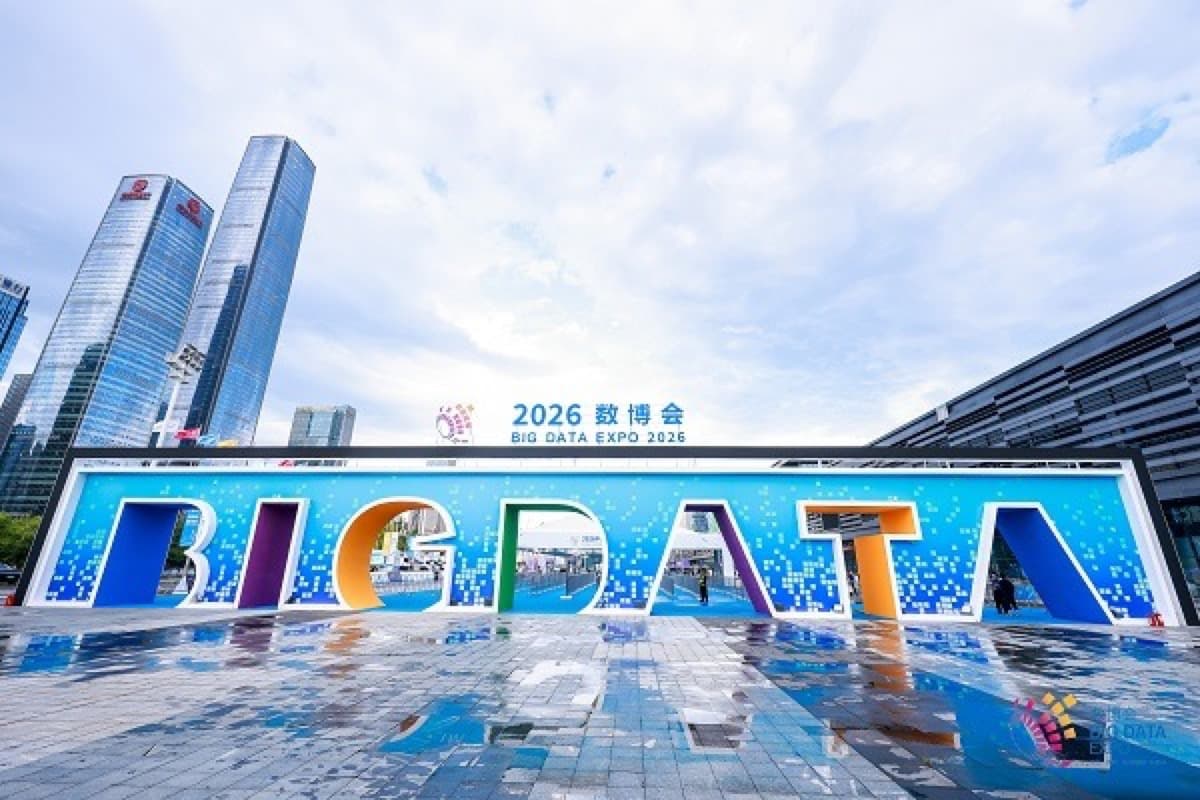
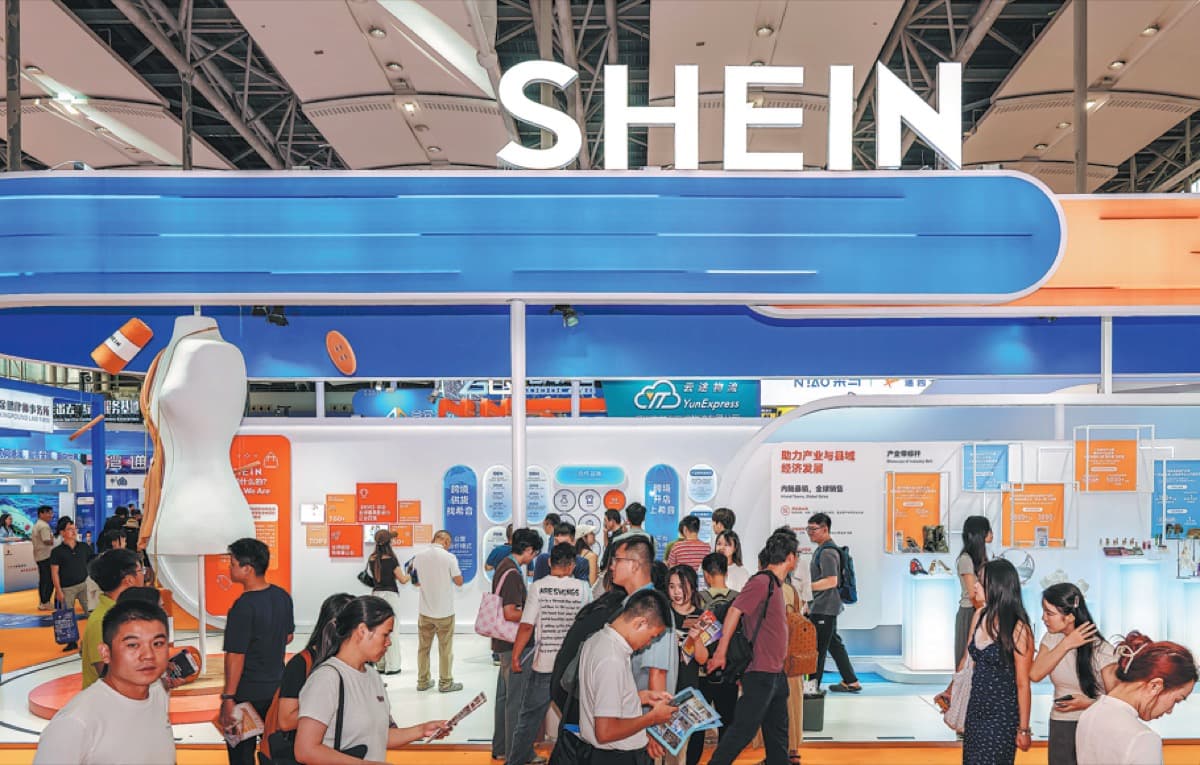
The 2026 World AI Conference was a snapshot of that breadth. Its three exhibition areas covered more than 100,000 square meters, with over 1,100 Chinese and foreign companies taking part, more than 3,000 cutting-edge achievements on show and over 300 hard-tech products making global or industry debuts, across chips, models, robots and terminals.
While strengthening its own capacity, China is also trying to offer AI as a kind of global public good. Through cost-effective open-source models and 5,000 specialized AI training opportunities for developing countries, China is promoting a more inclusive diffusion of the technology. For the Chinese economy, AI brings not only new growth points but also a layer of resilience against external uncertainty.